As an Amazon Associate, we earn from qualifying purchases. Some links on this site are affiliate links at no extra cost to you. Our recommendations are based on thorough research and editorial judgment.

How Can Vacuum Sealers Help In Pest Prevention?

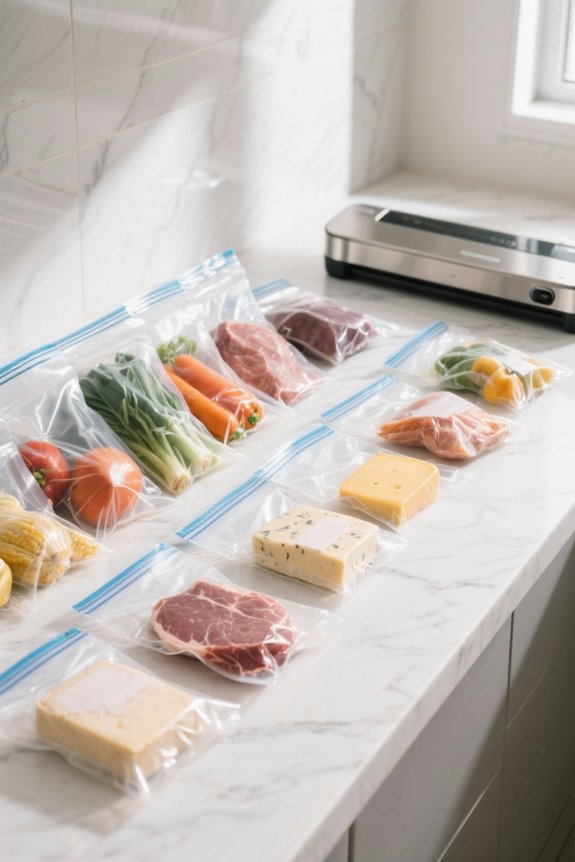
Vacuum sealers are great tools for pest prevention. By removing oxygen from storage bags, they create an unwelcoming environment for pests like insects. When pests can’t breathe properly, they become less active and may even die off, disrupting their life cycles. We can use vacuum sealers for everything from food storage to protecting clothes. Want to keep those pesky critters away? Let’s explore more ways vacuum sealers can help keep your space pest-free!
Key Takeaways
- Vacuum sealers create low-oxygen environments that disrupt pest lifecycles, leading to reduced survival rates of pests and their eggs.
- Sealing food with vacuum technology prevents pest access, minimizing the risk of contamination and spoilage.
- Proper vacuum sealing extends food shelf life by reducing microbial growth, therefore lessening the attraction of pests to stored items.
- Vacuum sealers enhance pest management efforts when used alongside thorough area cleaning and inspection of food before sealing.
- They effectively protect non-food items, such as clothing and medical supplies, from pests and moisture during long-term storage.
Understanding the Role of Oxygen in Pest Survival
You may be interested
10 Best Dryer Vent Cleaners to Keep Your Home Safe and Efficient
December 29, 2025

When we think about pests, we might not immediately consider their need for oxygen, but it plays an essential role in their survival. Insects rely on a unique tracheal system that delivers oxygen directly to their cells. This system helps them maintain oxygen levels at around 4-5 kPa, lower than what we breathe.
When oxygen levels drop, pests show signs of distress, like reduced feeding and slowed movement. For instance, adult insects are more vulnerable to low oxygen environments compared to their eggs. If they face prolonged oxygen deprivation, they may become hyperactive at first, but eventually, they could just… well, check out. Understanding this oxygen connection helps us manage pest populations effectively! Additionally, utilizing waterproof storage bins can further prevent pests from accessing food and other attractants in your home.
How Vacuum Sealers Work to Remove Oxygen

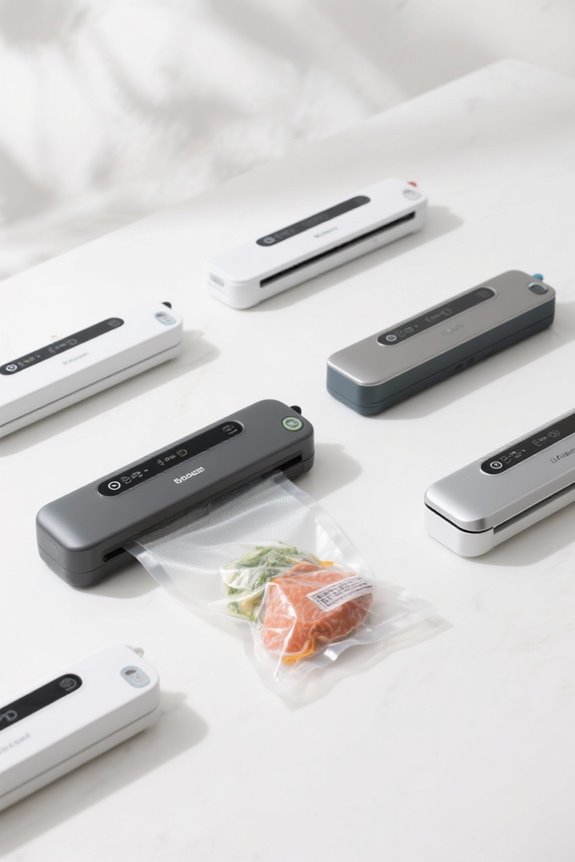
To keep our food fresh and pests at bay, vacuum sealers utilize a clever process that removes most of the oxygen surrounding our food. The primary method involves special oxygen removal techniques where a vacuum pump sucks air from a bag filled with food. This creates a tight seal that limits oxygen exposure, which is essential for preventing spoilage and microbial growth. We adjust vacuum sealing efficiency according to the product’s fragility. After extracting air, a heat-sealing bar seals the bag, ensuring no air sneaks back in. While it’s tough to reach absolute zero oxygen, the low-oxygen environment drastically slows spoilage, making our food last longer and keeping pesky insects from thriving. Additionally, vacuum seal technology reduces oxygen exposure, which enhances food preservation and extends shelf life. Isn’t that amazing?
Benefits of Vacuum Sealing Dry Goods

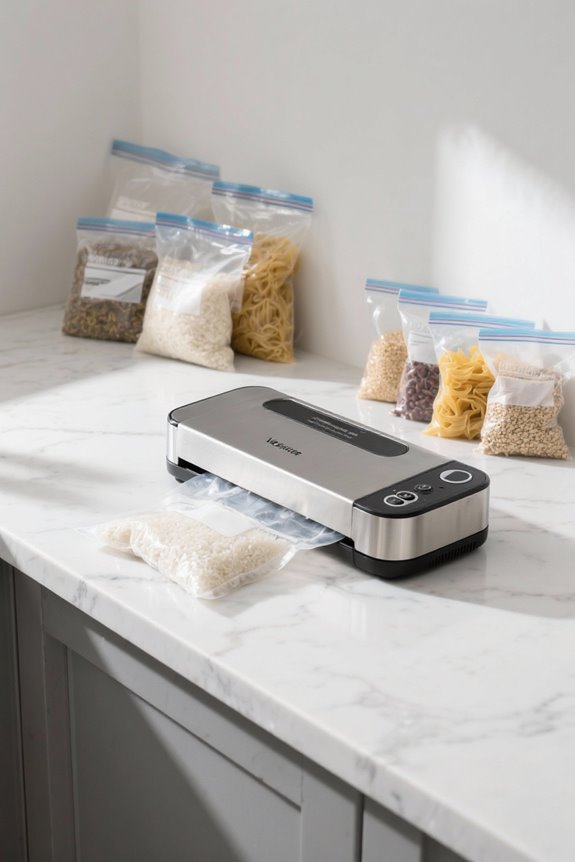
Vacuum sealing dry goods brings several fantastic benefits that can truly enhance our kitchen experience. By reducing oxygen and moisture, we extend shelf life and maintain food safety. For instance, vacuum-sealed rice or flour can last 3–5 times longer than those in their original packaging. Plus, think about those stale crackers or chips; vacuum sealing keeps them fresh and crunchy!
This method doesn’t just curb spoilage—it also aids in pest prevention by creating an environment that molds and bacteria struggle to thrive in. We can also buy in bulk, reduce food waste, and save money. Imagine having perfectly preserved spices or dried fruits whenever we need them, free from the threats of pests or spoilage! Additionally, using BPA-free materials in vacuum sealing ensures that our food storage is safe and healthy.
Recommended Products

Customizable Length: Cut the roll to suit your specific storage needs

BPA-FREE MATERIAL: XingBaoLong food sealed roll bags can be microwave heated, frozen, reused, washed, boiled, and dishwasher safe. Allow you to precisely control the cooking temperature for optimal results, Kitchen Essentials

HEAVY DUTY AND PUNCTURE PREVENTION - 2 pack of 8 inch by 50 feet rolls with embossed channels to increase suction, keep fresh without freezer burn or dehydration
Protecting Food Storage From Pest Damage
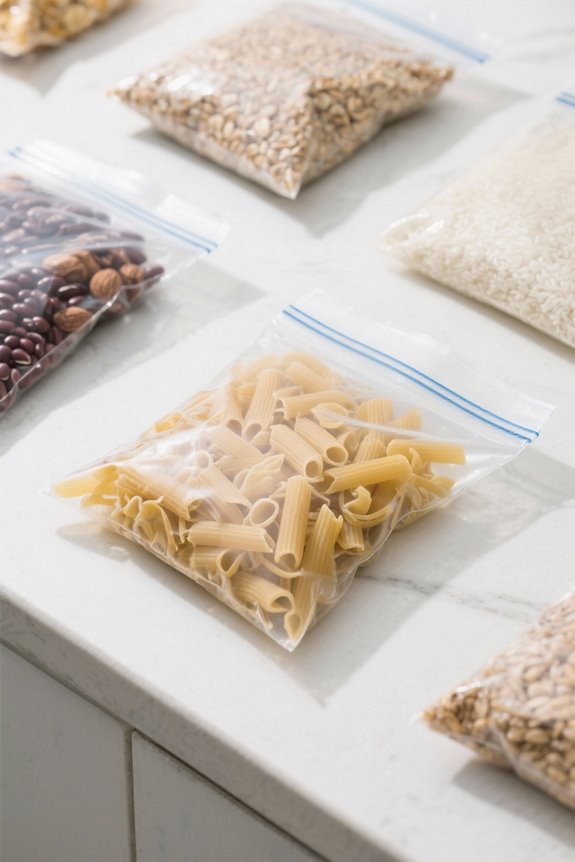
Protecting our food storage from pest damage is as important as sealing it to keep it fresh. Vacuum sealing creates an environment where most pests can’t survive, considerably reducing the risk of food contamination. While some eggs may stick around, proper vacuum levels and storage time help eliminate the threat. To enhance our pest prevention game, let’s combine vacuum sealing with other strategies, like:
- Regularly cleaning storage areas
- Inspecting food for pests before sealing
- Using airtight containers alongside vacuum bags to maintain food freshness.
Recommended Products
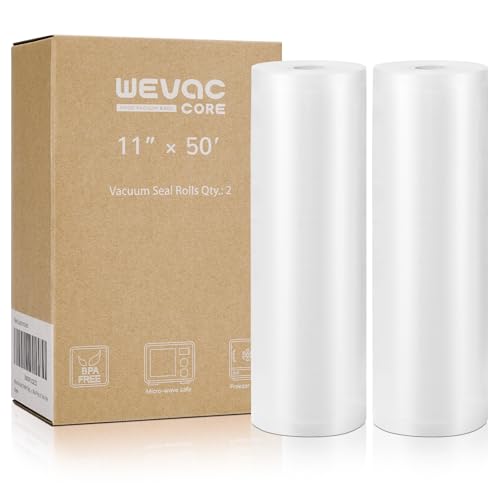
HEAVY DUTY AND PUNCTURE PREVENTION - 2 pack of 11 inch by 50 feet rolls with embossed channels to increase suction, keep fresh without freezer burn or dehydration
![[2026 Upgraded] Syntus 40 Pcs Vacuum Sealer Bags for Food, Reusable BPA-Free Food Storage Bags for Sous Vide Microwave Heating, Air Valve Zipper Bags (10 Small+10 Medium+10 Large+10 Extra Large)](https://m.media-amazon.com/images/I/41W+c83-gjL._SL500_.jpg)
Package Contents: This set includes 40 vacuum zipper bags in four versatile sizes: 10 each of 8" x 8", 10" x 11", 12" x 13", and 12" x 19". Crafted from BPA-free materials, these bags are safe for food storage and suitable for use in microwaves, cabinets, refrigerators, freezers, and sous vide cooking. Designed for strength, the bags feature a smooth side (up to 3.15 mil thick) and a textured dotted side (up to 3.95 mil thick), providing sturdy protection against punctures from sharp items like bones.

Economical and Custom Sized:6 Pack 8"x20'(3Rolls) and11"x20'(3Rolls) Food Vacuum Sealer Bags Rolls (total 120 feet)
Vacuum Sealers in Textile and Document Conservation

While we might often think of vacuum sealing as a way to keep food fresh, it actually plays a huge role in preserving textiles and documents too. In textile conservation, vacuum sealing removes air, denying pests like moths and beetles the oxygen they need. This airtight barrier keeps our cherished fabrics safe from pests and mold. Additionally, utilizing vacuum sealing with specialized vacuum bags ensures that the fabrics are protected against punctures and leaks, enhancing overall preservation. For document preservation, vacuum sealing limits oxidation, which can cause discoloration and brittleness. Plus, it prevents pesky silverfish and termites from munching on our important papers.
Recommended Products

Space-Saving Home Organization Solution: Vacuum storage bags are a useful tool for home organization, moving, and travel. This set includes 12 jumbo bags that can reduce the original volume of items by 80%. They are suitable for storing clothes, bed sheets, blankets, and more
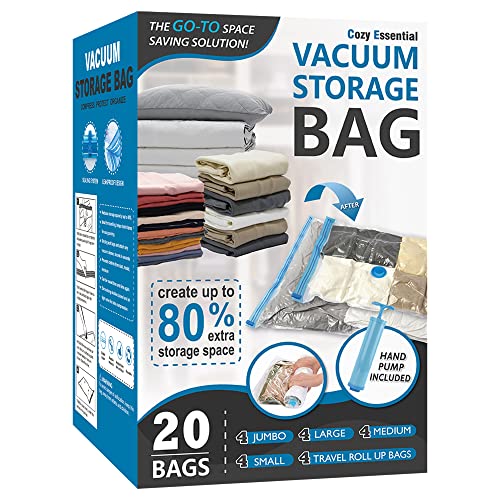
Expand your storage by up to 80%: Our vacuum seal storage bags effortlessly compress clothes, blankets, pillows, and travel essentials in seconds, transforming overcrowded closets and overpacked suitcases into clean, organized space- no clutter at home, no unnecessary luggage fees. Just more room whenever you need it.

【80% Space Save】: Pack-Seal-Vacuum, with these 3 easy steps, Fygrip vacuum storage bags help you save 80% storage space. They are the game changer for storing your beddin, blankets, clothing and more.
Enhancing Pest Control With Integrated Pest Management
When it comes to keeping our homes and gardens pest-free, Integrated Pest Management, or IPM, offers a smart blend of strategies. IPM encourages using biological control, where we harness natural predators to keep pests in check. For example, ladybugs can help manage aphid populations naturally.
We also focus on cultural practices, such as rotating crops to prevent pest buildup. An essential part of IPM is understanding pest thresholds—knowing when pest levels require action and when they don’t. This approach helps us avoid unnecessary pesticide use, protecting our environment. Additionally, using food vacuum sealers can help minimize pest attraction by reducing food waste and keeping stored items airtight.
Reducing Allergen Exposure Through Vacuum Sealing
Reducing allergen exposure is something we can all appreciate, especially if we’ve ever dealt with those pesky sneezes or itchy eyes. By vacuum sealing our bedding and clothing, we promote allergen elimination and make our living spaces more comfortable.
- Dust Mite Reduction: Storing soft items in vacuum-sealed bags helps keep dust mites at bay, reducing their habitat.
- Prevention of Contamination: Sealed containers stop allergens from spreading between stored items, ensuring we tackle dust and dander effectively.
- Allergen-Free Zones: Using vacuum-sealed bags encourages healthier indoor air quality, supporting our respiratory health. Additionally, vacuum sealing can help prolong food freshness, which contributes to a cleaner living environment by minimizing waste and spoilage.
Recommended Products

STORAGE BAGS: Vacuum compression space-saver bags for storing large items such as duvets, bed sheets, blankets, pillows, drapery, and more

6-pack of Jumbo size vacuum storage compression bags for storing comforters, blankets, and large bedding

【No Pump Compression Storage Design】:These no pump vacuum storage bags feature a convenient compression design that helps reduce the space taken up by bulky household items. No external pump is required, making storage and organization simpler for everyday use at home or while traveling.
Extending Storage Life of Food Products
Vacuum sealing food isn’t just a neat trick; it’s a smart way to keep our meals fresh and tasty for longer. By removing oxygen, vacuum sealing enhances food preservation by slowing spoilage and oxidation. This process helps maintain the nutrients and flavors that often fade over time.
Imagine reducing freezer burn or dehydration—no one likes mushy veggies! Plus, it allows us to store food more efficiently, fitting neatly into our kitchens.
We can buy in bulk, portion it out, and enjoy our favorite meals later without worrying about waste. If we want to savor every bite and save money, vacuum sealing just might be our best kitchen buddy. Commercial-grade motors ensure faster sealing, making it even more efficient. Why let our food go bad when we can keep it fresh?
Preventing Mold and Fungal Growth
As we store our food, it is crucial to keep mold and fungi at bay because nobody wants to bite into a moldy sandwich! Vacuum sealing offers effective mold prevention strategies by reducing oxygen levels and moisture. Since molds thrive on oxygen and water, vacuum packaging creates an unwelcoming environment for fungal growth control.
Here’s how it works:
- Oxygen Reduction: Vacuum sealing minimizes oxygen, slowing down mold and bacteria.
- Moisture Control: It lowers water activity, which molds need to grow.
While vacuum sealing isn’t a magic bullet—it won’t kill existing spores—combining it with proper storage hygiene really boosts its effectiveness. Additionally, using a vacuum sealer with high suction power can significantly enhance the sealing process, further preventing mold growth. So, by sealing our food correctly, we can keep those pesky molds where they belong: out of our meals!
Vacuum Sealing and Its Impact on Pest Life Cycles
Have you ever wondered how vacuum sealing can disrupt all those pesky pests trying to invade our food and belongings? By removing air, vacuum sealing greatly lowers oxygen levels. This oxygen reduction causes real pest lifecycle disruption, making it tough for eggs and larvae to thrive or even survive. When we seal items tightly, we’re not just keeping pests out; we’re preventing any chance of them maturing and reproducing. Technically speaking, vacuum sealing efficacy means that stored items remain safe from re-infestation. It’s like creating a tiny fortress for your snacks! Plus, vacuum-sealed seeds can show higher germination rates because they’re shielded from damaging insects. Heavy-duty options enhance the effectiveness of vacuum sealing, ensuring even better protection against pests. Isn’t it amazing how simple techniques can help us combat pests effectively?
The Importance of Combined Pest Control Methods
When it comes to controlling pests, no single strategy works wonders all on its own. By combining different methods, we can create control synergy that effectively addresses the diverse pest populations we face. Integrated Pest Management, or IPM, is a prime example of this approach.
Consider these combined methods:
- Biological agents paired with chemicals can tackle more pests.
- Clean spaces plus targeted insecticides lead to reduced pest numbers.
We enhance crop yield while minimizing chemical use, protecting the environment. Plus, who doesn’t want to see beneficial insects thrive? By embracing multiple strategies, we’re not just fighting pests; we’re supporting healthier ecosystems and improving our food security. Isn’t that a win-win?
Non-Toxic Pest Prevention Strategies
Non-toxic pest prevention strategies are not just about keeping pests at bay; they’re about choosing safer, environmentally friendly options that work. We can use various non-toxic practices to create effective pest barriers. Natural insecticides like neem oil and diatomaceous earth are great choices that won’t harm beneficial species. Additionally, plants like lavender and basil emit scents that send pests running in the opposite direction! Physical traps, such as glue boards or pheromone traps, effectively manage pest populations without harmful chemicals.
Recommended Products
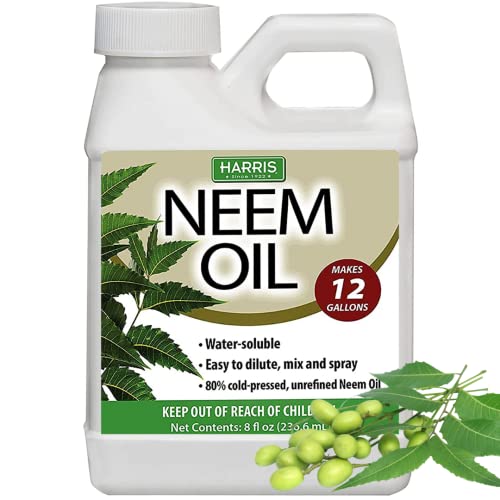
Cold-Pressed Neem Oil is a potent natural solution, ideal for maintaining healthy plants
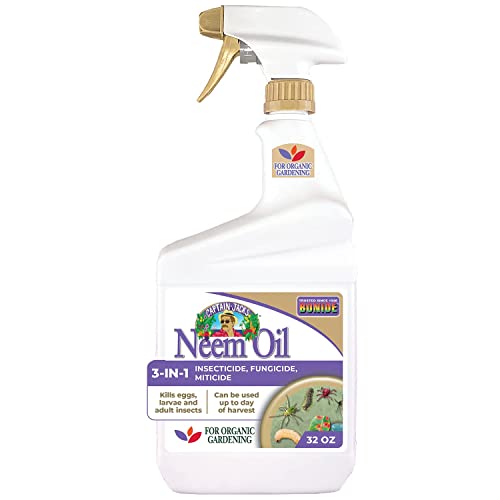
MULTI-PURPOSE BUG KILLER - Bonide Neem Oil is a perfect pest control solution for any garden dealing with mites, flies, mildew, and more. This product is a three-in-one fungicide, miticide, and insecticide.

FOR ORGANIC GARDENING - Captain Jack's NeemMax is a perfect pest control solution for any garden dealing with mites, flies, mildew, and more. This product is a four-in-one insecticide, fungicide, miticide, and nematicide.
Real-Life Applications of Vacuum Sealers in Pest Prevention
Real-life applications of vacuum sealers in pest prevention are both practical and effective. By utilizing vacuum technology, we can achieve pest isolation and create pest-free environments in various settings. For example, vacuum sealing clothing keeps moths and mold at bay, making it a fantastic storage solution for long-term garment care.
In sensitive places like hospitals and schools, vacuuming immediately removes pests without harmful chemicals, ensuring a clean space. Plus, we can protect medical supplies—keeping them dry and pest-free.
And let’s not forget archives; conservation-grade vacuum bags prevent pests from reaching valuable items. Who knew pest management could be this simple? With a vacuum sealer, we’re empowered to tackle pest issues head-on.
Frequently Asked Questions
Can Vacuum Sealers Eliminate Existing Pest Infestations Entirely?
Vacuum sealers can’t completely eliminate pest infestations on their own. While vacuum sealing benefits storage and reduces pest attraction, we need to combine it with other pest elimination methods for effective results.
How Long Can Items Be Stored in Vacuum-Sealed Bags?
Items can be stored in vacuum-sealed bags for impressive long-term storage. With proper sealing, vacuum bag longevity can keep dried foods fresh for years, while meats and perishables last considerably longer than traditional methods.
Are Vacuum Sealers Effective Against All Pest Types?
No, vacuum sealers aren’t effective against all pest types. Insect resistance can allow some pests to survive despite sealing. For best food storage, we should combine vacuum sealing with other pest control methods for better results.
What Materials Can Be Vacuum Sealed for Pest Prevention?
We can vacuum seal grains, beans, spices, nuts, and even textiles for long-term preservation. This method enhances food storage and protects against pests, keeping our items fresh and safe for extended periods without worry.
Do Vacuum Sealers Require Regular Maintenance for Optimal Pest Control?
Yes, vacuum sealers require regular maintenance for peak pest control. By performing regular checks and ensuring proper storage of sealed items, we can effectively prevent pests and maintain our sealing system’s efficiency and reliability.