As an Amazon Associate, we earn from qualifying purchases. Some links on this site are affiliate links at no extra cost to you. Our recommendations are based on thorough research and editorial judgment.


How Do Vacuum Sealers Keep Food Fresh Longer?

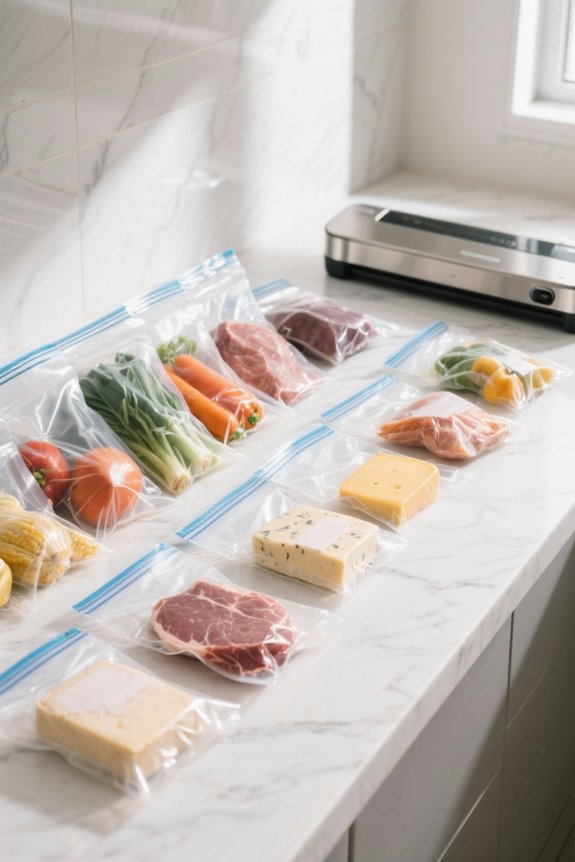
Vacuum sealers are game-changers for keeping food fresh! By removing air, they slow down spoilage caused by bacteria and oxidation. This means your meats can last up to three years in the freezer, while fresh produce stays good for a week or more. Plus, they trap moisture, keeping flavor intact. Isn’t it great to cut down on waste and save money? Stick with us as we explore more about how this handy kitchen tool works!
Key Takeaways
- Vacuum sealing removes oxygen, which prevents oxidation, rancidity, and maintains food flavor and appearance.
- It significantly extends shelf life, preserving meat and produce for 3 times longer than traditional storage methods.
- The process creates a moisture barrier, retaining natural juices and preventing evaporation that can lead to spoilage.
- Vacuum sealing significantly reduces exposure to spoilage bacteria and enhances food safety through limited oxygen supply.
- Using heavy-duty bags optimizes sealing performance and maximizes the prevention of oxidation and spoilage.
Inhibition of Microbial Growth
You may be interested

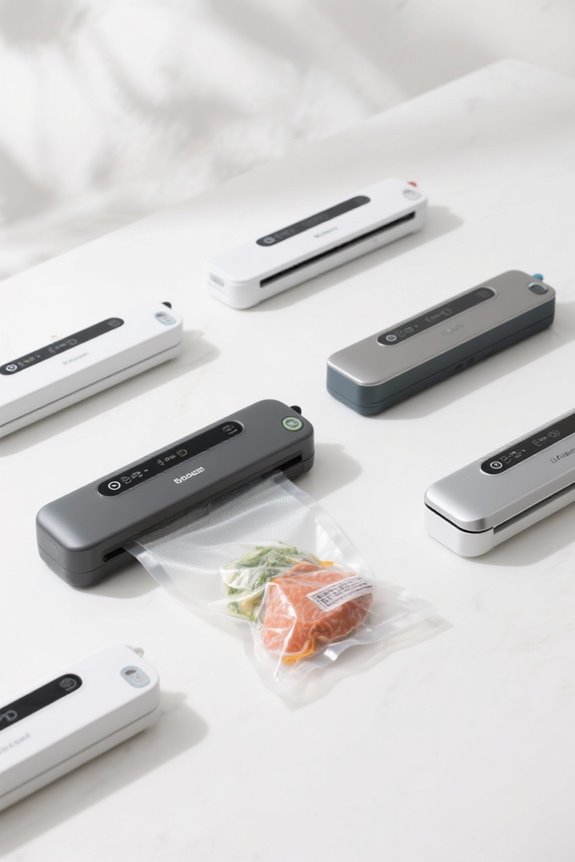
However, let’s keep in mind that this vacuum environment can allow anaerobic pathogens, like *Clostridium botulinum*, to thrive. These sneaky bacteria don’t show obvious signs of spoilage. So, we must combine vacuum sealing with safe handling practices and proper refrigeration to manage spoilage dynamics effectively. Let’s harness microbial competition wisely to keep our food fresher, longer! Additionally, using heavy-duty bags can enhance seal integrity and further protect against freezer burn.
Prevention of Oxidation and Chemical Spoilage
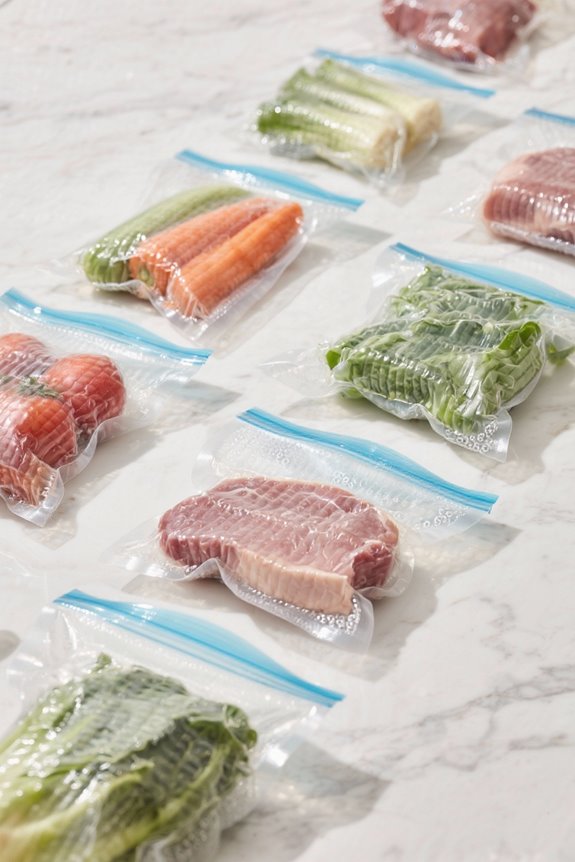
After tackling the microbial growth challenges in vacuum sealing, we’re now ready to look at another key benefit: preventing oxidation and chemical spoilage. Vacuum sealers accomplish this through effective oxidation prevention. By removing nearly all the oxygen from packaging, we limit oxidative reactions that degrade food quality. This means less rancidity and better flavor—who doesn’t want their food to taste its best?
Also, reduced oxygen protects natural pigments, keeping our food looking vibrant! Plus, it maintains chemical stability by slowing down those pesky enzymatic reactions that can spoil fruits and vegetables. With vacuum sealing, we extend flavor, aroma, and nutrient retention. Heavy-duty bags used in vacuum sealing are designed to maximize this effect. So, let’s say goodbye to unwanted off-flavors and hello to fresh, delicious meals!
Enhancement of Shelf Life
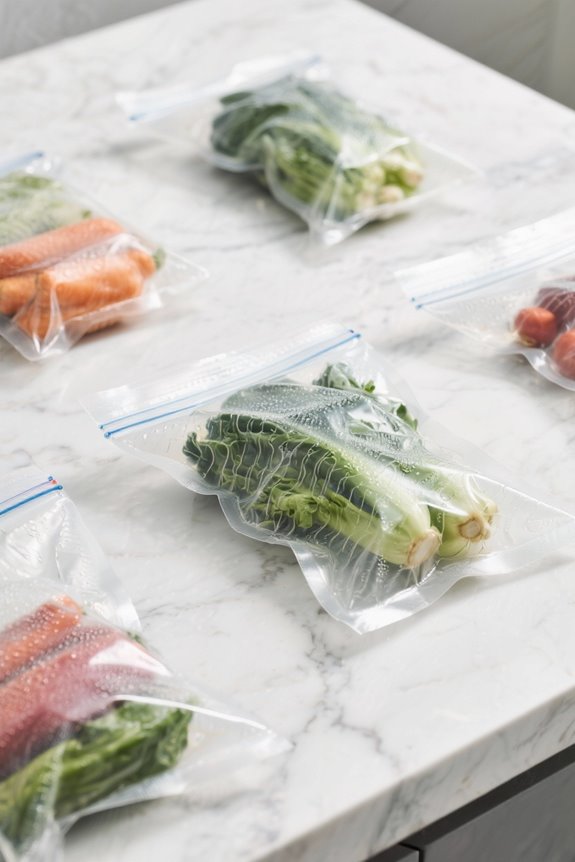
While many of us have experienced the disappointment of spoiled food, vacuum sealing offers a remarkable solution to extend the shelf life of our favorite items. With vacuum technology, we can stretch our food’s freshness greatly—usually 3 to 5 times longer than traditional storage methods.
For example, vacuum-sealed meat can last up to 3 years in the freezer, while fresh produce can stay good for 1 to 2 weeks instead of just a few days. This enhancement also helps fight off spoilage bacteria by limiting their oxygen supply, boosting our food safety. Plus, pairing vacuum sealing with freezing or additional oxygen absorbers can maximize these benefits further. Who knew that sealing our food could be such a game-changer? Additionally, using a sous vide vacuum sealer can enhance cooking efficiency and results, making it an essential tool in food preservation.
Maintenance of Moisture and Nutritional Quality

Maintaining the freshness and quality of our food goes beyond just extending its shelf life. When we vacuum seal our food, we create a strong moisture barrier that prevents evaporation, locking in that delicious juiciness. Ever notice how meats stay tender and flavorful? That’s because vacuum sealing traps natural juices, helping maintain texture during storage.
Additionally, sealing our food reduces oxygen exposure, promoting better nutrient retention. Vitamins, like C and B, thrive with less air around them—this means we get to enjoy healthier meals! Just remember, vacuum sealing isn’t a magic wand; temperature control and proper handling are still essential. So, let’s keep our food fresh, tasty, and nutritious while enjoying the process—after all, who doesn’t love great meals? Moreover, using quality vacuum sealer bags can significantly enhance the effectiveness of this preservation method.
Air Removal and Pressure Effects

When we use vacuum sealers, we’re not just sealing bags; we’re creating a whole new environment for our food! This is possible through air extraction, where a vacuum sealer removes almost all the air from the package. By doing this, we lower the internal pressure, which means less oxygen to spoil our food.
Thanks to pressure regulation, the higher external pressure compresses the package tightly. This tight seal keeps out oxygen, slowing down oxidation—a big cause of food spoilage. With reduced air pockets and an anaerobic environment, aerobic bacteria can’t thrive. So, not only do our favorite meats and veggies last longer, but they also maintain their fresh taste and look. Who knew sealing could be this cool? Additionally, vacuum sealing can extend food freshness up to 3 years in the freezer, making it a valuable tool for food preservation.
Practical Benefits and Applications
Vacuum sealing isn’t just a nifty kitchen gadget; it’s a game changer for managing food in our busy lives. The practical applications of vacuum sealing are undeniable, especially for food storage. By extending the freshness of our groceries, we reduce waste and save money. Imagine buying in bulk—like cheese or ground meat—without worrying about spoilage!
Here are some benefits:
- Extended Shelf Life: Vacuum-sealed foods last much longer, even up to three years in the freezer.
- Optimized Space: These packages are compact, making packing the fridge easier.
- Quality Assurance: Vacuum sealing helps maintain flavor, texture, and nutrition. Additionally, many models feature strong suction power to ensure effective sealing for various food types.
Recommended Products
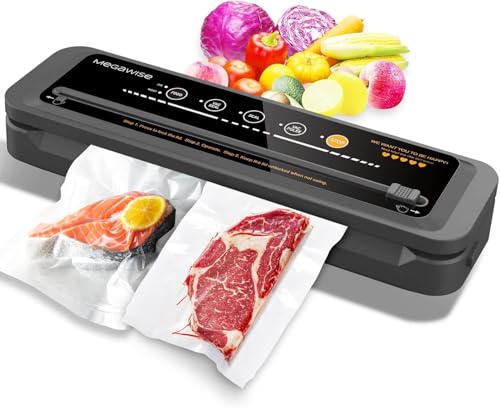
80kPa Suction Power: Updated 2025 vacuum sealer uses a DC motor pump with electromagnetics and pure copper for enhanced suction power. It sucks all air out tightly to preserve your meat and vegetables for 10 times longer or more to prevent oxidation and keep things fresh. Updated version solved many issues found from previous version
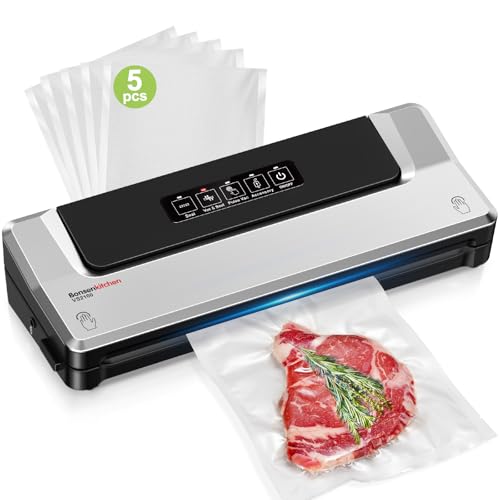
4 Modes : 'Vac & Seal' - one-touch automatic vacuum and seal, perfect for food that does not deform easily, such as meat, nuts, and vegetables; 'Pulse Vac' - manually control the vacuum process, suitable for soft food or moist food, such as bread or food with soup; 'Seal' - only seal, for potato chip bags; 'Accessory' - designed for vacuuming jars or sous vide bags

【10-in-1 Precision Sealing】Expertly preserve food from dry to moist or delicate with multiple sealing modes. External vacuum ports seal jars and containers beyond standard bags. Built-in bag storage and cutter streamline operation for fast, neat results—ideal for sous vide and meal prep.
Suitability for Various Food Types
For meat cuts, vacuum sealing can notably extend shelf life, preventing freezer burn and preserving flavor. We can even marinate efficiently—who doesn’t love a quick prep?
When it comes to fruit varieties, vacuum sealing keeps them fresh longer by blocking oxygen. However, we should avoid sealing raw veggies like garlic, which can spoil quickly.
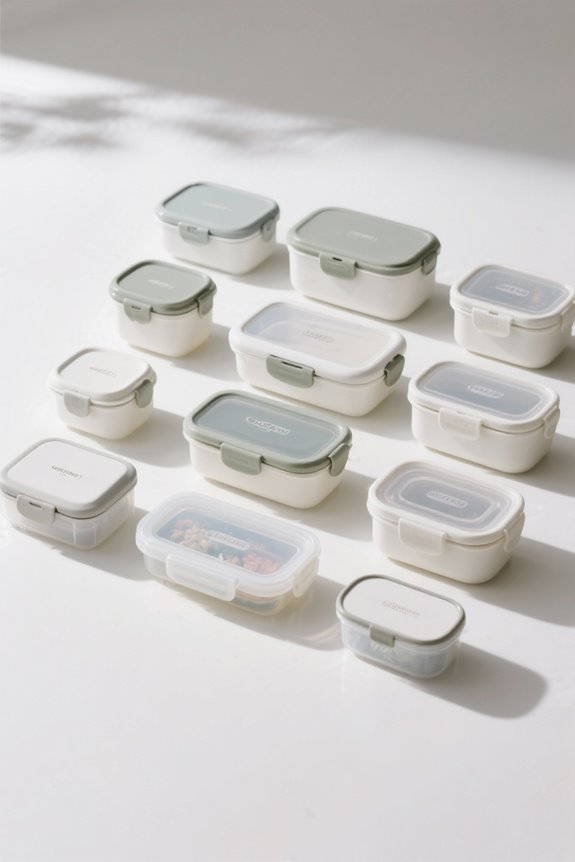
Seafood and prepared foods also shine when vacuum-sealed, maintaining moisture and flavor. Just remember, proper handling is key! Additionally, it’s important to choose BPA-free materials for safe food storage and longevity in your vacuum seal containers.
Recommended Products

Customizable Length: Cut the roll to suit your specific storage needs

BPA-FREE MATERIAL: XingBaoLong food sealed roll bags can be microwave heated, frozen, reused, washed, boiled, and dishwasher safe. Allow you to precisely control the cooking temperature for optimal results, Kitchen Essentials

HEAVY DUTY AND PUNCTURE PREVENTION - 2 pack of 8 inch by 50 feet rolls with embossed channels to increase suction, keep fresh without freezer burn or dehydration
Vacuum Sealing vs. Traditional Preservation Methods
While many of us rely on traditional preservation methods—like plastic wrap or containers—these options don’t always keep our food fresh as long as we’d like. Let’s consider the vacuum advantage. Vacuum sealing can extend food shelf life by three to five times compared to those conventional methods. By removing air, it appreciably reduces spoilage caused by oxidation and slows bacterial growth, cutting the risk of foodborne illness. Moreover, commercial vacuum sealers, such as the MAGIC SEAL 16, are designed for efficient performance, accommodating larger bags and continuous sealing for both home and professional use. In a preservation comparison, we find that vacuum sealed foods maintain their taste and texture much better than items stored in standard containers. With vacuum sealing, we can reduce waste and make our groceries last longer—all while enjoying fresher flavors. Isn’t it time we embraced a smarter way to store our food?
Recommended Products

【NEXT GEN Vacuum Sealer】– Based on 6 years of R&D and hundreds of thousands customer insights, this vacuum sealer equipped with configuration you love: one-hand arthritis-friendly locks, smart LED status system, and spill-proof detachable trays for effortless.

-100KPa Vacuum Power: This vacuum sealer nearly removes all air to block oxidation and slow spoilage. Meat and seafood stay fresh in the freezer, while coffee and dry goods keep crisp—no additives needed

Crafted from premium stainless steel: this sleek vacuum food sealer combines durability and style in a compact design that fits effortlessly into any kitchen. Its plug-and-play system ensures quick setup, while the one-handle lock mechanism allows for simple, secure operation. Featuring versatile modes such as Dry, Moist, Pulse, Countdown, Canister, Marinate, and Double Seal, along with a built-in cutter and bag storage, this food vacuum sealer machine offers flexible food preservation solutions.
The Science Behind Vacuum Sealing
Ever wondered how a simple process can make food last much longer? The magic lies in vacuum sealing, which uses Vacuum Technology to remove air and oxygen from packaging materials. This clever trick prevents oxidation, which is responsible for spoilage and off-flavors in our food. By creating an anaerobic environment, vacuum sealing slows down microbial growth, keeping our food safe and fresh.
Without oxygen, bacteria and mold struggle to thrive. Plus, it retains food color, flavor, and nutrients, allowing us to enjoy our meals just as nature intended! Imagine opening a vacuum-sealed steak after a year and finding it still juicy. That’s the power of vacuum sealing, turning ordinary storage into an extraordinary preservation method! Additionally, proper organization in your kitchen can enhance your food storage efficiency, making it easier to access your vacuum-sealed items.
Tips for Effective Vacuum Sealing
When we explore vacuum sealing, it’s essential to remember that preparation is key for success. First, we must focus on bag selection. Always use vacuum bags compatible with our sealer to prevent leaks. Then, let’s talk about sealing techniques. Leave about an inch of space at the top of the bag for proper air removal. For delicate items like berries, we can use manual vacuum mode to avoid crushing them. Don’t forget to test the seal by gently pressing the bag—no air means a job well done! Also, remember, if we’re sealing liquids, it’s best to freeze them first in an ice tray. Additionally, using a Vacuum Sealer Bag Companion can greatly enhance the sealing of moisture-heavy foods. Who knew sealing could be this much fun, right?
Recommended Products

VACUUM SEALER BAGS ROLLS: 11"x20' 2 rolls - XinBaoLong Food Saver Bags Rolls, Commercial Grade - Heavy Duty, BPA Free for Vac Storage Kitchen Accessories

Economical and Custom Sized:6 Pack 8"x20'(3Rolls) and11"x20'(3Rolls) Food Vacuum Sealer Bags Rolls (total 120 feet)
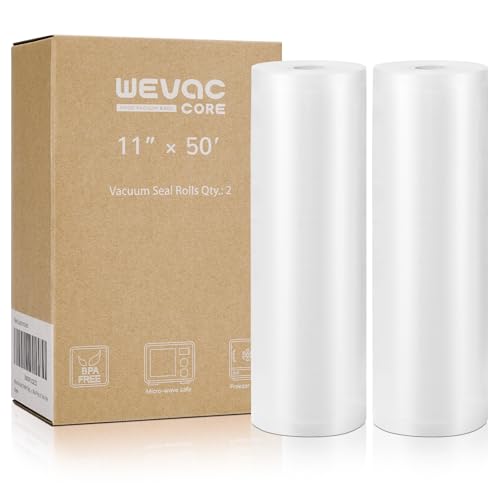
HEAVY DUTY AND PUNCTURE PREVENTION - 2 pack of 11 inch by 50 feet rolls with embossed channels to increase suction, keep fresh without freezer burn or dehydration
Long-Term Storage Solutions With Vacuum Sealers
Long-term storage solutions with vacuum sealers offer us an effective way to keep our food fresh and delicious for extended periods. By using these sealing techniques, we can extend the shelf life of food by 3 to 5 times. Imagine having frozen veggies or meats that can last up to 2-3 years!
Vacuum sealing also prevents freezer burn, meaning our food stays tasty and appealing. This method occupies less space in our freezers, making it feel like a magic trick—who doesn’t love more room for ice cream?
Plus, it simplifies meal planning by allowing us to portion our items easily. Just remember, while it’s great for food storage, we need to follow safety precautions and keep things clean as we seal away leftovers!
Recommended Products
![[2026 Upgraded] Syntus 40 Pcs Vacuum Sealer Bags for Food, Reusable BPA-Free Food Storage Bags for Sous Vide Microwave Heating, Air Valve Zipper Bags (10 Small+10 Medium+10 Large+10 Extra Large)](https://m.media-amazon.com/images/I/41W+c83-gjL._SL500_.jpg)
Package Contents: This set includes 40 vacuum zipper bags in four versatile sizes: 10 each of 8" x 8", 10" x 11", 12" x 13", and 12" x 19". Crafted from BPA-free materials, these bags are safe for food storage and suitable for use in microwaves, cabinets, refrigerators, freezers, and sous vide cooking. Designed for strength, the bags feature a smooth side (up to 3.15 mil thick) and a textured dotted side (up to 3.95 mil thick), providing sturdy protection against punctures from sharp items like bones.

Works with All Types of Vacuum Sealers: These vacuum sealer bags are designed for matching all vacuum sealer machines. Simple operation, convenient to use.

Compatible with All Vacuum Sealers: This package includes one 11" x 150' roll and works seamlessly with all vacuum sealer machines. For a strong, airtight seal, place the food inside the bag, correctly orient it with the smooth side up and the textured side down, and evenly insert the open end into your sealer, leaving at least 3 inches of space at the top. Press the button to start vacuuming, simple and reliable.
Frequently Asked Questions
Can I Vacuum Seal Liquids Without Spills?
Absolutely, we can vacuum seal liquids without spills! By using barriers and careful bag positioning, along with partial freezing techniques, we guarantee effective liquid vacuuming while preventing any messy accidents during the sealing process.
How Do Vacuum Sealers Work in Preserving Non-Food Items?
Vacuum packing is essential for non-food preservation. It creates air-tight barriers, protecting our valuables from dust, moisture, and degradation. We can confidently store tools, documents, and collectibles while extending their lifespan and maintaining their integrity.
Are Vacuum Sealers Energy-Efficient Devices?
Yes, vacuum sealers are energy-efficient devices. While conventional models consume a lot, recent advancements showcase impressive efficiency comparisons, using considerably less energy. We’re excited to save on consumption while minimizing our environmental impact!
Can Vacuum Sealing Impact Food Flavor?
Yes, vacuum sealing greatly impacts food flavor. We experience flavor preservation and taste enhancement, as it minimizes oxidation, retains moisture, and reduces spoilage, ensuring our food maintains its delicious taste for much longer.
Do Vacuum Sealers Require Special Maintenance?
Yes, vacuum sealers do require special maintenance. We should regularly check seal integrity, perform filter replacement, and guarantee lubrication of moving parts for ideal performance, extending the lifespan of our machines and improving food preservation.