As an Amazon Associate, we earn from qualifying purchases. Some links on this site are affiliate links at no extra cost to you. Our recommendations are based on thorough research and editorial judgment.


How To Safety Proof Garage Storage Areas?

To safety-proof our garage storage areas, we should start by evaluating our space. We can measure dimensions and sort items into keep, donate, or discard. Next, it’s essential to understand shelf safety—place heavier items on lower shelves to avoid accidents. Let’s store chemicals in their original containers, locking them away for safety. Also, keeping aisles clear helps us avoid trips and falls. If we stick with these steps, we’ll create a safer garage environment for everyone. Curious about more tips?
Key Takeaways
- Regularly inspect storage areas for hazards, ensuring adequate weight limits and security of shelves to prevent collapses.
- Utilize lockable cabinets for hazardous materials and store them by compatibility to prevent dangerous reactions.
- Keep aisles and walkways clear of clutter to minimize the risk of slips, trips, and falls.
- Use original containers for chemicals, ensuring clear labels remain legible and conducting regular inspections for container integrity.
- Invest in adjustable shelving and regularly reassess storage solutions to accommodate changing needs safely.
Assessing Storage Needs and Space Availability
You may be interested


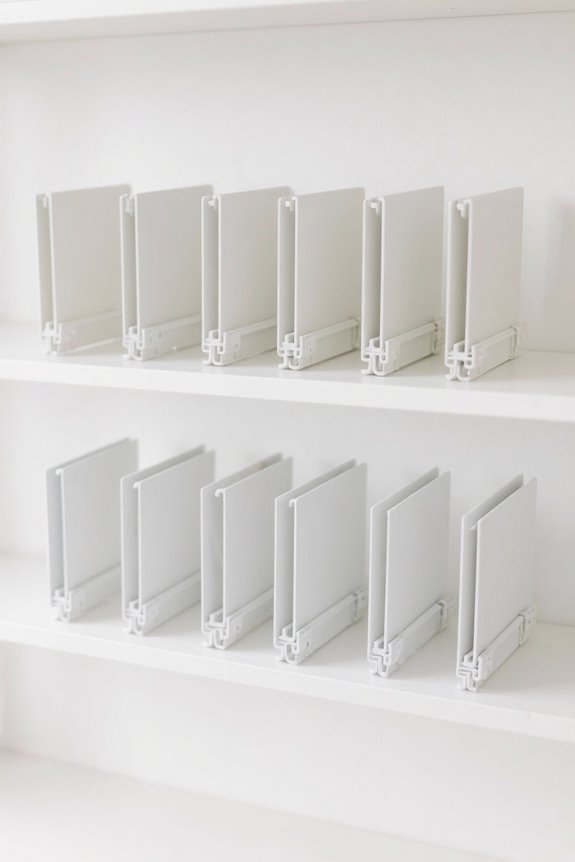
10 Best Adjustable Shelf Dividers to Maximize Your Storage Space
September 19, 2025
When we’re tackling the task of organizing our garage, it’s important to first assess our storage needs and space availability. A solid garage layout planning starts with measuring the dimensions of our garage and noting any windows, doors, or fixed items.
Next, let’s clear out unnecessary items. We can create our item categorization strategy by sorting items into keep, donate, or discard groups. Consider if we’ve used each item in over a year—if not, it might be time to let it go. Additionally, evaluating weight capacity needs for storage solutions can help ensure that the items we choose to keep are stored securely and efficiently.
Understanding Load and Shelving Safety

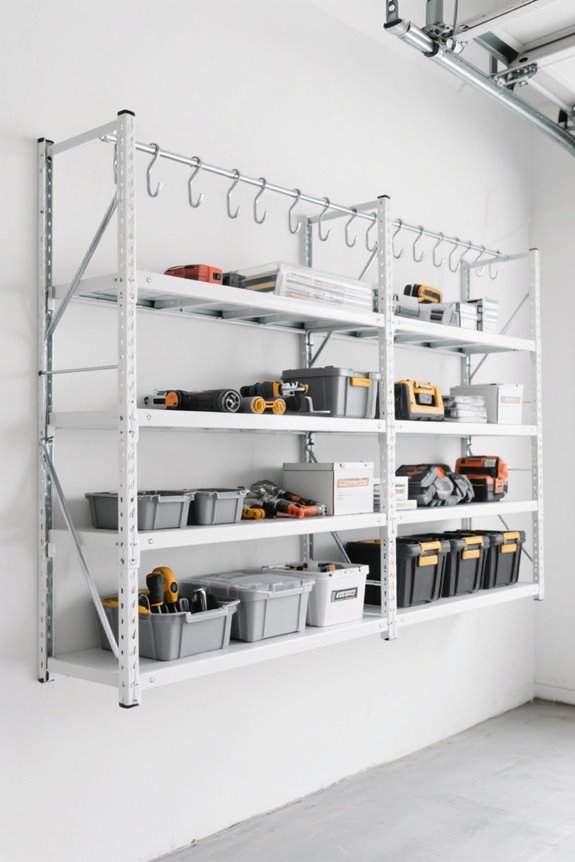
To guarantee our garage storage is both functional and safe, we need to take a closer look at load and shelving safety. Understanding shelf capacity is critical. Each shelving unit has a weight limit, and if we don’t follow it, we risk collapse. So, let’s make sure to place heavier items on lower shelves for better weight distribution.
Also, we should regularly check for sagging or signs of wear. Who wants a surprise avalanche of tools, right? A quick monthly inspection can save us from messy disasters. Remember, anchoring shelves securely helps prevent tipping. Additionally, using waterproof storage bins can protect your belongings from moisture damage. Let’s keep our garage organized and safe so we can find what we need without a hitch!
Recommended Products

HEAVY-DUTY CONSTRUCTION: The Sakugi wire shelving unit is constructed with high-quality, heavy-duty metal tubes that are 0.9 inches in diameter, aiming to withstand significant weight. With a remarkable load-bearing capacity of up to 1,000 lbs in total, you can confidently store bulky items, heavy boxes, or equipment without worrying about bending or sagging.

🏗 Stable 2400LBS Load Capacity : Engineered with high-strength iron, this heavy duty storage shelves unit supports up to 480 lbs per tier, totaling a massive 2400 lbs. Ideal for stowing heavy toolboxes, bulk pantry supplies, or spare tires without sagging. Whether you need garage shelving heavy duty or industrial storage racks, these shelves heavy duty provide a rock-solid foundation that remains stable

【Load Up Your Life】-Transform your cluttered garage into a neat and organized space with our storage shelving unit. With a 2000 lbs total load capacity, you're free to pile on tools, supplies, or whatever you need in your garage or warehouse. Remember, each shelf is a sturdy 400 lbs carrying companion
Proper Storage of Chemicals and Flammable Materials

Storing chemicals and flammable materials in our garage is a task we can’t overlook. To guarantee safety, we should focus on proper chemical containerization. First, let’s always use original containers that are designed for each specific chemical. It’s also essential to keep labels legible and categorize our supplies based on hazard classification—like flammables or corrosives—to prevent dangerous interactions.
We need to store chemicals in a well-ventilated area away from heat sources. Lockable cabinets can help keep children and pets safe. Regular inspections of containers for integrity and proper disposal of expired chemicals are key to minimizing risks. Additionally, incorporating organizational compartments into your storage solutions can enhance safety by preventing chemical spills and ensuring easy access. By following these guidelines, we can create a safer garage environment while keeping everything organized!
Recommended Products
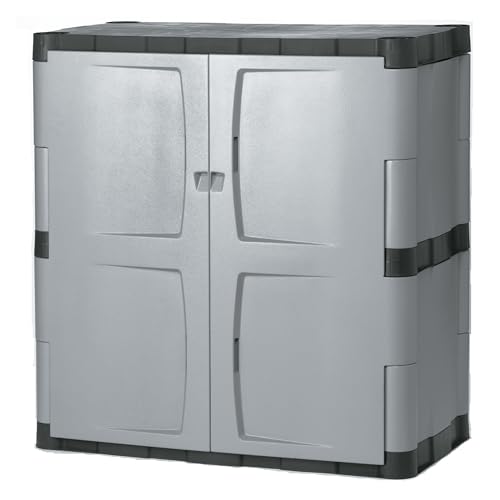
TOUGH AND DURABLE: Resin construction is durable and tough and virtually maintenance-free. Unlike wooden or metal, it will not rot, rust, dent or peel

✔️【High-quality all-steel structure】: This metal cabinet is made of the top quality steel through exquisite craftsmanship; Whole-in-one reinforced heavy gauge steel deluxe welded frame; 2 locking doors are also strengthened by with additional steel bars; The special coating can protect cabinet from scratch and rust; Durable and available for years.

【Industrial-Grade Steel Cabinet】Constructed with 1.2mm reinforced steel panels and powder-coated finish, this heavy-duty storage cabinet withstands 500lb+ loads while resisting dents, corrosion, and garage chemicals. Dual-wall construction features internal reinforcement ribs for structural integrity. Secure lockable system includes 3-point locking mechanism and 2 keys for document/tool protection. Exceeds /BIFMA standards for commercial use.
Ensuring Garage Door Safety and Compliance

Guaranteeing our garage doors are safe and compliant is vital for protecting our homes and families. We should start by checking our garage door mechanisms regularly. Following safety feature compliance is fundamental, which means we need to verify our garage doors have working entrapment protection devices like photoelectric sensors. These devices make the door reverse if they sense an obstacle, keeping us safe.
Let’s not forget, residential garage doors must also adhere to UL 325 standards and the latest International Residential Code. Regular inspections by trained professionals can help us identify any issues before they become dangerous. By confirming our garage doors are in top condition, we maintain a safer space for our loved ones. Furthermore, utilizing durable wicker baskets for storage in your garage can help keep items organized and reduce clutter, promoting a safer environment. Let’s keep them secure!
Implementing Overhead and Ceiling Storage Solutions

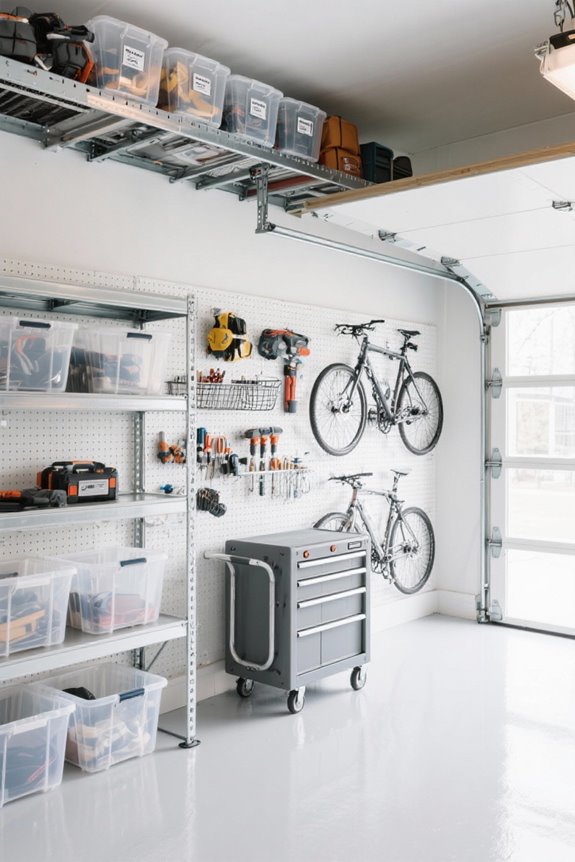
After verifying our garage doors are secure and compliant, it’s time to think about how we use our storage space more effectively. Implementing overhead installation can free up valuable floor space, but we need to take into account weight distribution. First, let’s make certain our system is anchored to ceiling joists—drywall won’t cut it!
We should follow manufacturer specifications, keeping to weight limits, usually between 250 to 600 pounds. Before starting, let’s measure our ceiling and plan for obstacles like garage door tracks. Regular maintenance is key, so we’ll check for sagging and tighten hardware annually. Remember, no flammable items up top! With careful planning, we can make our garages safer and more organized. Who knows, we might even find lost treasures up there! Additionally, considering customizable storage options can greatly enhance the organization of your garage.
Recommended Products
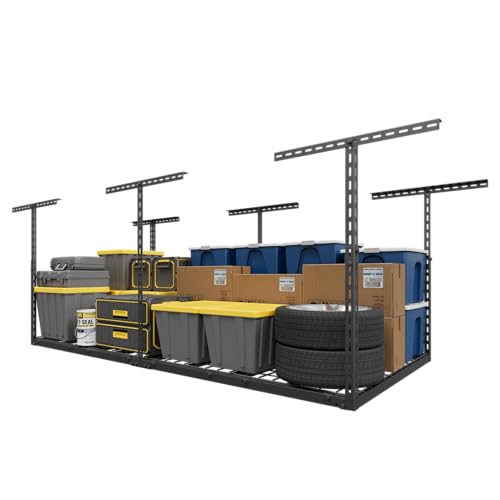
🔧【Installation Time Halved】Our 8 pre-installed hooks securely hold each panel during mounting – eliminating drop risks. Installation takes half the time of others, designed for effortless setup.

🔧【Installation Time Halved】Our 8 pre-installed hooks securely hold each panel during mounting – eliminating drop risks. Installation takes half the time of others, designed for effortless setup.
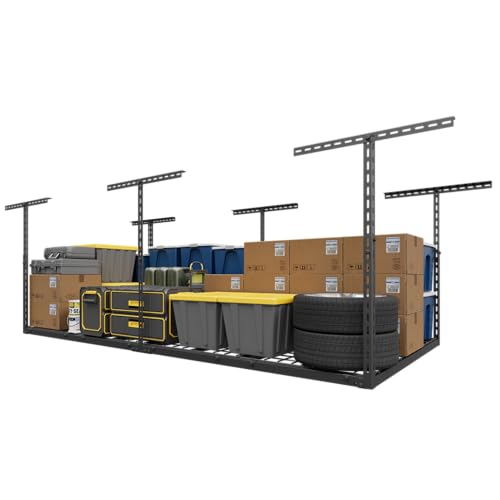
🔧【Installation Time Halved】Our 8 pre-installed hooks securely hold each panel during mounting – eliminating drop risks. Installation takes half the time of others, designed for effortless setup.
Establishing Fire Prevention Measures
When it comes to fire prevention in our garages, taking proactive measures can make a huge difference. First, let’s talk about using fire-resistant materials, like thicker Type-X drywall and fire-rated doors. These can slow fire spread considerably. We should also seal any openings in the walls and ceilings with fire caulking to keep smoke and flames at bay.
Next, let’s identify fire hazards. We need to be vigilant about overloaded circuits and flammable items like gasoline or paint. Additionally, using Tupperware organizers can help keep flammable materials properly stored and minimize clutter that could pose a fire risk.
Finally, let’s not forget to conduct regular emergency drills. Practicing what to do in case of a fire can make a big difference. By staying aware, we can help keep ourselves and our garages safe from fire risks.
Preparing for Emergencies and Quick Exits
How do we make certain our garage is ready for emergencies? First, we need to focus on emergency preparedness and exit strategies. It’s vital to have at least two exits that are clearly marked and at least 28 inches wide, helping us escape quickly if needed.
Regular inspections guarantee those exits remain unobstructed. Plus, let’s think about fire-rated doors; they’re a must in garages, keeping us safe.
It’s not just about having exits, though. We should also consider emergency lighting to guide us in the dark. Additionally, using compact and space-saving designs for storage solutions can help prevent clutter, making exits more accessible. Finally, making certain everyone knows the exit points means we can leave hassle-free in an emergency. By preparing now, we can keep ourselves safe and secure later!
Maintaining Organization for Accessibility
Maintaining organization in our garage isn’t just about aesthetics; it’s essential for accessibility and safety. To achieve storage efficiency, we should group items logically by type—like tools, sports gear, and chemicals. This minimizes search time and enhances accessibility, allowing us to find what we need quickly.
Using organizational tools such as labeled containers and adjustable shelving can make a big difference. We can allocate specific zones for frequently used items while keeping seasonal gear out of the way. Let’s also remember to keep at least 36 inches of clear pathway for safe movement. Regularly reviewing our organizational systems lets us adapt to new items and eliminate clutter, creating a functional garage space that’s both safe and user-friendly. Additionally, incorporating stackable designs can maximize vertical space and improve overall storage efficiency.
Using Appropriate Safety Gear During Access
Using the right safety gear isn’t just smart; it’s essential for keeping ourselves safe while accessing our garage storage. We need to follow established safety standards to avoid injuries. First, let’s grab our safety goggles to protect our eyes from debris and chemicals—think of them as our superhero masks. Next, gloves are a must to shield our hands from cuts, especially when handling sharp objects.
And don’t forget hearing protection! Loud tools can be a nuisance, after all. Wearing protective clothing, like long sleeves, can also prevent scrapes. If we’re dealing with chemicals or dust, respiratory protection is smart gear selection. By prioritizing safety gear, we’re taking important steps toward a safer garage experience. Additionally, understanding the importance of weight capacity considerations can help us avoid overloading shelves or racks. Are we ready to gear up?
Recommended Products
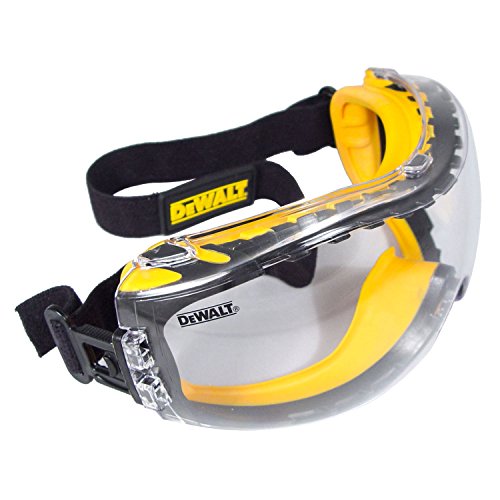
DEWALT ToughCoat hard coated lens provides tough protection against scratches.

Durable, one piece lens helps protect eyes from certain liquids, dirt and particles

Over-Glasses Design: UNCO safety goggles are crafted to fit comfortably over most prescription glasses, providing a clear, unobstructed view while ensuring eye protection.
Inspecting Storage Systems Regularly
While it might be tempting to overlook our garage storage systems, regular inspections are essential to keeping things safe and organized. We should schedule monthly safety inspections as a minimum; quarterly inspections provide a more thorough evaluation. How often do we check our shelves and racks?
Let’s document our findings—keeping a dedicated file with dates, inspector notes, and even photos can help us track safety issues more effectively. We can also update our procedures annually based on the trends we spot during these inspections. By ensuring that heavy items are stored low and keeping pathways clear, we’re not just meeting inspection frequency; we’re making our garage a safer environment for everyone. Additionally, implementing adjustable shelving options can enhance stability and organization, further improving safety. Let’s commit to staying organized and proactive!
Utilizing Lockable Storage for Hazardous Items
When it comes to safeguarding our garage, utilizing lockable storage for hazardous items is one of the smartest moves we can make. These cabinets help keep dangerous materials out of reach, reducing the risk of accidents—especially around kids and pets. Plus, lockable storage aligns with OSHA and NFPA regulations, ensuring proper safety protocol.
When choosing a cabinet, look for cabinet certification, such as ULC or FM. This means the cabinet meets safety standards for containing hazardous materials. Make sure to label everything clearly, and store items by compatibility to avoid messy reactions. With a well-organized cabinet, we can enjoy a safer garage space while keeping those hazardous materials tucked away, where they belong.
Recommended Products

【KEEP-FIRE-AWAY CONSTRUCTION】- This safety cabinet adopts the double-walled cold-rolled steel with 1-1/2" air space for strength to reduce the risk of fires.

Durable & Fire-Resistant: Constructed from fully welded Q235 cold-rolled steel, this flammable storage cabinet features doors with air gap layers to slow heat transfer, reducing fire and explosion risks. Shelves are made of galvanized steel, wear-resistant and corrosion-proof, ensuring long-term use even in harsh environments

Dimensions & Capacity: Cabinet Outer Size 13" x 13" x13", Cabinet Inner Size 9.8" x 9.8" x11.4", maximum chemical storage 2 gallons.
Keeping Aisles and Walkways Clear
One of the easiest ways to enhance garage safety is by keeping aisles and walkways clear. By adopting proper aisle maintenance strategies, we minimize the risk of slips, trips, and falls. It’s essential to keep walkways free from clutter—who wants to trip over that forgotten toolbox?
To guarantee walkway safety practices are followed, we should:
- Regularly remove debris or products that spill into pathways.
- Mark aisles clearly with visual aids, like floor striping.
- Verify items aren’t stored too close to walkways.
Also, let’s talk about the importance of adequate aisle width for equipment. After all, we don’t want our vehicles to get stuck! Keeping these areas clear not only protects us but makes our space more efficient.
Regularly Reassessing and Adjusting Storage Solutions
Keeping our garage organized is an ongoing task that requires regular attention, especially as our storage needs change. We need to regularly reassess our storage solutions to stay aligned with current storage trends and make seasonal adjustments. For instance, if we notice that bulky winter gear is taking up valuable space in the summer, it might be time to rotate and store it differently.
Consider these key points:
- Weight Limits: Always adhere to manufacturer weight limits for safety.
- Adaptable Systems: Invest in adjustable shelving that meets our evolving needs.
- Regular Inspections: Check for hazardous materials and confirm secure storage.
Frequently Asked Questions
What Are the Best Materials for Garage Shelving?
When it comes to garage shelving, we prefer metal racks for their durability and weight capacity. Wooden shelves add a nice aesthetic touch, but we should be mindful of their moisture susceptibility and maintenance needs.
How Can I Avoid Clutter in a Small Garage?
To avoid clutter in our small garage, we should embrace decluttering strategies and utilize vertical storage effectively. By organizing items neatly and making the most of our space, we’ll keep everything accessible and tidy.
What Safety Gear Is Essential for Garage Organization?
When organizing our garage, we shouldn’t forget safety goggles to protect our eyes from debris and work gloves to shield our hands from cuts. These essentials keep us safe while we get things organized effectively.
How Often Should I Perform Garage Safety Inspections?
Like a well-oiled machine, we should each stick to our garage checklist. Performing inspections at least annually, or bi-annually for busy garages, helps guarantee a safe environment. Regular inspection frequency keeps our space efficient and secure.
Can I Store My Bike Safely Overhead?
Yes, we can store our bikes safely overhead using bike hoist systems. They maximize space and keep our bikes out of the way, ensuring easy access while keeping our garage organized and clutter-free.