As an Amazon Associate, we earn from qualifying purchases. Some links on this site are affiliate links at no extra cost to you. Our recommendations are based on thorough research and editorial judgment.


Which Closet System Materials Are Most Long Lasting?

When it comes to long-lasting closet materials, we find that solid hardwood and high-quality melamine reign supreme. Solid hardwood, like oak or maple, stands the test of time with its unique charm and durability. Melamine, on the other hand, is budget-friendly and resists moisture and scratches. Both options offer great strength, making them excellent choices. Plus, if you’re curious about the benefits of metal hardware or installation tips, we’ve got more insights to share!
Key Takeaways
- Solid hardwood, such as oak or maple, is known for its structural strength and longevity, often lasting decades with proper care.
- Melamine boards resist moisture and warping, making them a durable option for humid environments while offering affordability.
- Medium-density Fiberboard (MDF) combines durability and cost-efficiency but may not last as long as solid wood.
- High-quality metal hardware, like stainless steel brackets, ensures durability and prevents corrosion, extending the lifespan of closet systems.
- Closet systems that feature robust materials and proper installation techniques enhance overall longevity, reducing the need for replacement.
Understanding Closet System Materials
You may be interested


10 Best Bamboo Drawer Organizers to Elevate Your Storage Game
December 12, 2025
When it comes to choosing materials for our closet systems, it’s a bit like picking toppings for a pizza—there are so many options, and each one brings its own flavor! Understanding the material composition helps us appreciate the closet versatility available to us.
We can go for solid hardwood, boasting strength, but it requires more care. Laminates are durable and budget-friendly, while melamine boards resist moisture, making them ideal for humid climates.
Then there’s medium-density fiberboard (MDF), often coated with melamine, which combines affordability and durability. Don’t forget the metal hardware—it guarantees everything stays put! By knowing these materials, we can craft a closet that’s both functional and stylish, matching our unique tastes and needs. Additionally, selecting materials like carbon steel ensures long-lasting durability and stability for heavy garments.
Advantages of Melamine in Closet Systems
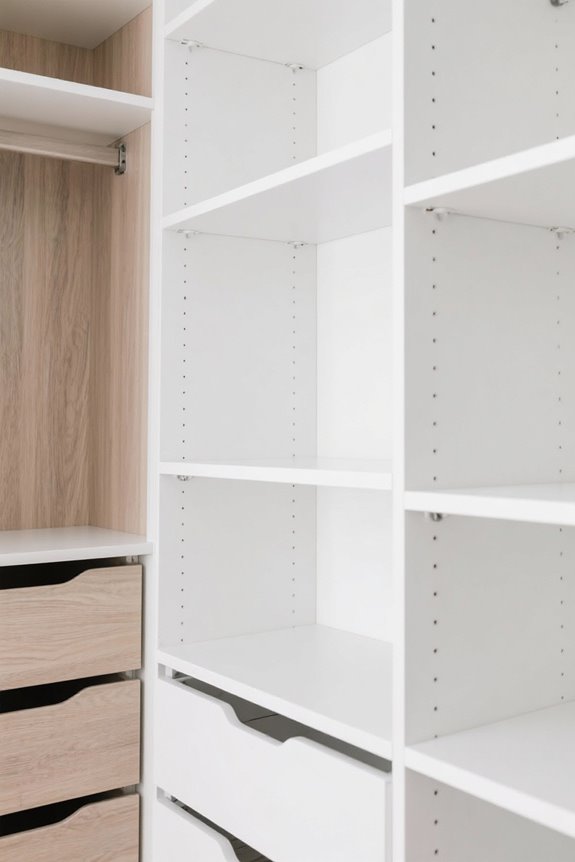
Melamine has become a favorite choice for many of us looking to upgrade our closet systems, and it’s easy to see why. The melamine benefits are impressive, especially when it comes to durability and maintenance. With a strong laminate coating, it resists warping, moisture, and scratches, ensuring our closets stay looking great over time.
Plus, its waterproof properties make it perfect for damp areas, like bathrooms. The variety of colors and patterns allows for customized closet aesthetics that suit our personal styles. By choosing melamine, we save money too, as it’s often more affordable than solid wood. Additionally, modular designs allow for personalization, making melamine an even more appealing option for closet systems. So, if we want a stylish and long-lasting closet, melamine might just be our best bet!
Recommended Products
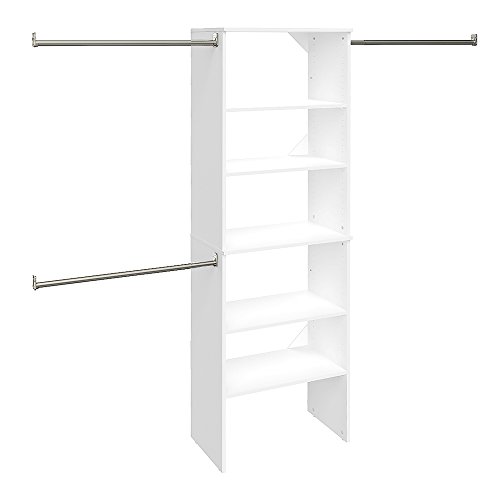
ALL-IN-ONE CLOSET ORGANIZER: Wood closet organizer system kit includes tower, (3) expandable rods, (5) interior closet shelving (2 shelves are adjustable)

【Spacious Storage Capacity Closet Set】This modular closet system combines 1 closet cabinet with 4 sturdy rods and 2 tall storage towers. It offers generous space for hanging long or short garments, organizing folded clothes, bags, and shoes—keeping everything neat and within reach. It functions as a wardrobe, garment rack, or open storage system, meeting the demands of various lifestyles.
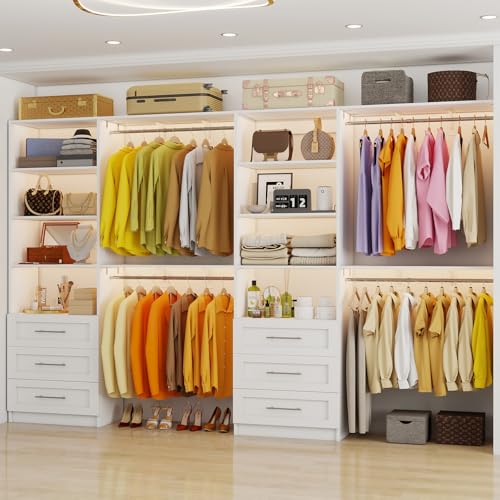
【6 STURDY WOOD DRAWERS - NO MORE FLIMSY FABRIC】 Stop settling for sagging fabric bins that lose shape after a month. Our premium closet system features 6 heavy-duty engineered wood drawers, providing a solid, furniture-grade storage solution for your jewelry, watches, socks, and seasonal privacy items. Designed with a high weight capacity and smooth operation, these drawers protect your delicate items from dust and sagging, offering a permanent, "built-in" custom look for your walk-in closet that fabric alternatives simply can't match.
Solid Hardwood: Timeless Beauty and Strength
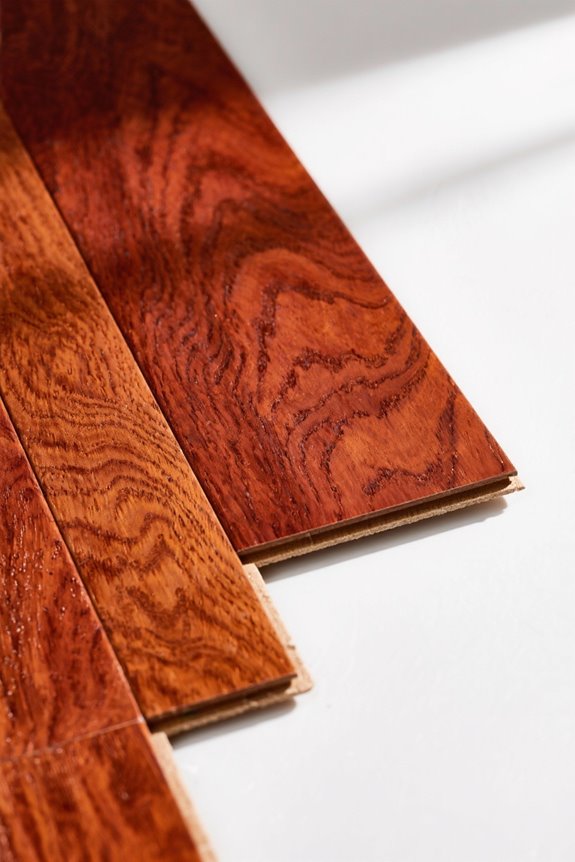
Solid hardwood brings a unique charm to closet systems, making them not only functional but also a true reflection of our style. Its hardwood advantages are impressive, including longevity and structural integrity that surpasses engineered materials. This means we can count on it for decades of use with proper care.
With various wood species like oak, maple, and cherry, we can customize our closets to fit our taste. For instance, oak’s unique grain and strength make it a classic workhorse, while cherry offers rich tones that age beautifully. Each choice adds a touch of elegance and value to our homes. Plus, who doesn’t love a closet that looks as good as it functions? Additionally, durable materials ensure long-lasting utility and stability for our closet systems.
Recommended Products

【 Closet System of 2 Sets】Fastgo closet system with 6 drawers, 8 shelves and 8 hanging rods is designed to maximize storage capacity while maintaining elegance. It turns cluttered spaces into an orderly, stylish walk-in closet with enhanced functionality and style. It fits closet spaces from 5ft to 15ft wide. Each hanging rod can be customized to match your exact layout, offering a smart, flexible storage solution that keeps every outfit and accessory in its proper place.
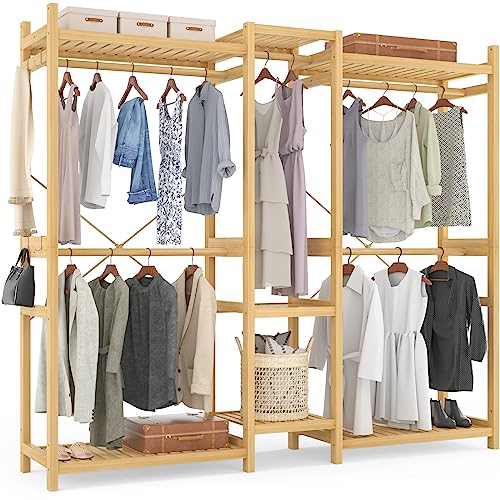
Large Closet System with 5 Hanging Rods - Large heavy duty closet features four 26" long rods and one 15.7" short rod for excellent hanging ability. The clothing rack with shelves shows all the clothes you need for the entire season, so you can see your options at a glance without spending more time hunting around for clothes. It also keeps your home tidy.

Solid Construction - Crafted from 100% real solid wood that delivers lasting durability and elegant style, creating an organized walk-in closet space you'll enjoy
The Role of Metal Hardware in Durability
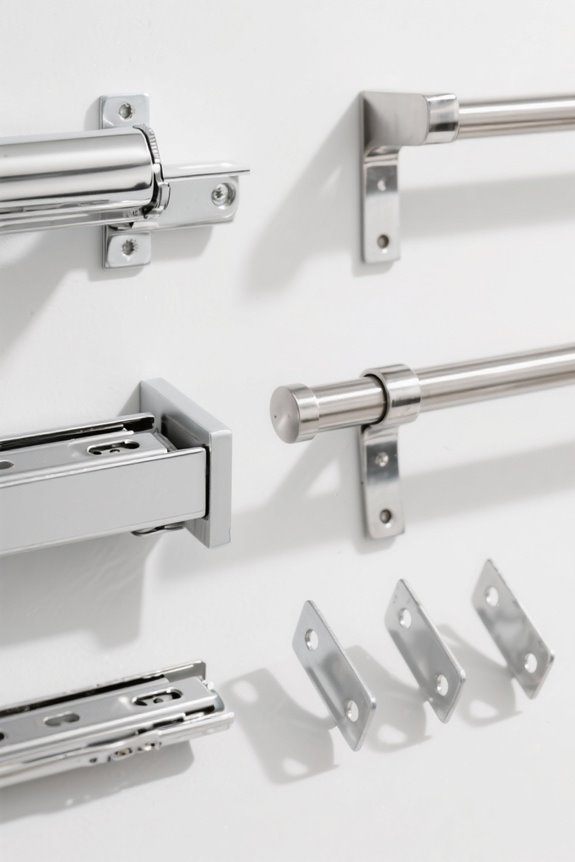
The durability of a closet system often hinges on the quality of its metal hardware, which plays an essential role in how well our storage solutions hold up over time. From stainless steel rods to powder-coated steel brackets, metal options provide great corrosion resistance advantages. This means we don’t have to worry about rust, especially in humid areas.
For effective metal hardware maintenance, we should regularly check for loose screws and tighten them as needed. This simple step maximizes the hardware’s load capacity and longevity. Plus, metals like brass and aluminum resist chipping or cracking, ensuring our closet looks just as good years later. With the right metal, our closet systems aren’t just durable—they’re stylish too! Additionally, heavy-duty steel construction is a key feature that enhances the overall durability of closet shelving units, ensuring they can support various weight capacities without sagging.
Laminates: A Durable Surface Solution
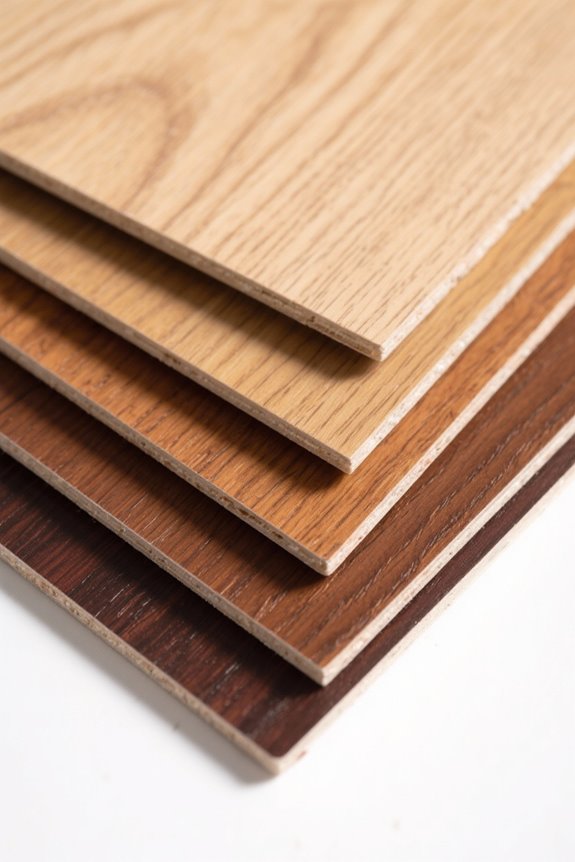
When it comes to choosing materials for our closet systems, laminates stand out as a superior option. They offer several laminate benefits, such as impressive durability, lasting anywhere from 10 to 50 years. Their layered design not only resists stains and scratches but also mimics real wood. Plus, the variety of laminate textures available, like wood or even leather finishes, allows us to match any style.
These surfaces are also cost-effective, giving us a wood-like look without breaking the bank. With adjustable designs, we can easily adapt our closet systems to our storage needs. Just think about how easy it is to keep these surfaces clean, too! Overall, laminates really are a smart choice for stylish and durable closet solutions. Additionally, using quality materials like engineered wood ensures that the laminate systems maintain their integrity over time.
Comparing Plywood and MDF
When considering closet materials, we often weigh plywood advantages against MDF drawbacks. Plywood boasts exceptional strength, ideal for heavy shelves, while MDF has notable limitations in load-bearing situations. Plywood applications include areas that face humidity, lasting 15-25 years. On the other hand, MDF, with a lifespan of just 7-10 years, needs careful maintenance, like avoiding moisture. While plywood costs can be higher, its durability can save us money in the long run, reducing repair needs. For those looking to paint, MDF offers a smoother finish. However, for durable, long-lasting closets, plywood truly shines. Additionally, it’s worth noting that regular maintenance of materials can significantly enhance their longevity. Have you thought about your closet needs? Let’s put our money where it matters!
Recommended Products

【High-quality material】Made of high-quality zinc alloy material, thick material, wear-resistant, durable, and long service life.

VERSATILE DISPLAY SHELF: This versatile display shelf can store all sort of items what you want: such as books, clothes, toys, decorations and more. A multi-functional storage shelf to display your daily essentials
【High-quality material】Made of high-quality zinc alloy material, thick material, wear-resistant, durable, and long service life.
Moisture Resistance in Closet Materials
Moisture resistance is a crucial factor to take into account when selecting materials for our closets, especially in humid environments. When we face humidity risks, we want materials that handle moisture exposure like champions.
For example, thermally fused laminate (TFL) is known for its high moisture resistance and structural strength, making it ideal for closet systems. On the other hand, while melamine provides some protection, it can chip and swell over time.
Then we’ve got non-porous materials like metal and laminate, which resist moisture and mold growth effectively. If we’re near bathrooms, these choices can really keep our closets safe. Remember, keeping moisture at bay ultimately helps our closet systems last longer, so it’s worth thinking about these materials! Additionally, evaluating load capacity is essential to match storage demands accurately and ensure durability in closet systems.
The Impact of Humidity on Material Longevity
Humidity can considerably affect the longevity of materials used in closet systems. We’ve all seen how solid wood, like oak or maple, can warp and swell when exposed to high humidity. This can lead to cracks or loose joints, making your beautiful closet less functional over time.
On the flip side, materials like melamine resist humidity effects better. Its resin coating keeps it from swelling, making it a great choice for humid environments, especially near bathrooms. Additionally, options like heavy-duty plastics can enhance durability and resistance to environmental factors, ensuring long-lasting performance.
Metal components, such as stainless steel, hold up well too. They don’t rust easily, providing reliable strength.
In short, effective moisture management is key. By choosing the right materials, we can guarantee our closet systems remain sturdy and beautiful for years to come!
Maintenance Requirements for Different Materials
Taking care of our closet systems isn’t just about keeping them looking sharp; it’s crucial for their longevity too! To guarantee we get the most out of our materials, we must adopt proper maintenance practices. For melamine surfaces, a simple dusting with a lint-free cloth is enough. But with wood-based materials, regular inspection of joints is essential to prevent wear. Wire shelving? Well, it needs more frequent checks to avoid bending. As for metal components, let’s polish them regularly to keep corrosion at bay. If spills happen, let’s clean them up right away to prevent sticky messes. By following these maintenance tips, we can help maximize our closet systems’ longevity factors, keeping them functional and beautiful for years to come! Additionally, investing in high-quality materials like premium metal can significantly enhance the durability of your closet system.
Cost Considerations for Long-Lasting Materials
When we think about closet systems, cost is often top of mind, especially if we want them to last. This involves conducting a cost benefit analysis to guarantee we’re not just focusing on initial prices. For instance, laminate systems might seem budget-friendly at $25–$50 per square foot. However, they may need replacement sooner than higher-quality options like solid wood, which start around $150 per square foot but can last decades. Additionally, systems like ClosetMaid SuiteSymphony offer affordable wood options that provide lasting durability. Let’s consider sustainability considerations, too. Investing in durable materials reduces waste in the long run. So, while we might save upfront with cheaper choices, higher-quality options could save us money over time. Ultimately, thoughtful spending helps us balance costs while guaranteeing our closets thrive for years to come.
Recommended Products

Durable Fabric Storage Bins: STORAGE MANIAC fabric storage bins are made of tear-resistant non-woven fabric with 2.0mm thick cardboard, offering a sturdy and stable structure for daily use.

WEAR ANYWHERE: The crowd-favorite Jester daypack comes in a crossbody design that still has its signature front bungee system and plenty of internal organization for your travel essentials.
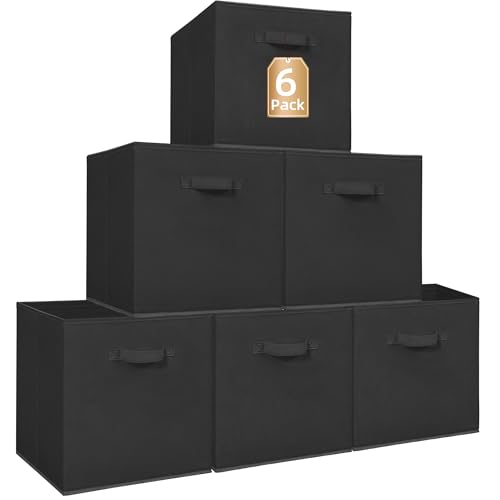
Durable Fabric Storage Bins: STORAGE MANIAC fabric storage bins are made of tear-resistant non-woven fabric with 2.0mm thick cardboard, offering a sturdy and stable structure for daily use.
Customization Options in Closet Systems
Although we often think about the basics, customization options for closet systems can truly transform your space. With custom finishes, we can create an aesthetic harmony that perfectly reflects our style.
Consider the variety of wood finishes available: stains and paints can enhance elegance while still being practical. If we’re drawn to a modern look, metal components and glass can add a sleek touch.
For functionality, adjustable shelving systems and personalized drawer options allow us to organize clothes and accessories just the way we like. Accessories like shoe fences and hidden compartments can keep our belongings tidy and our closets looking great.
Ultimately, the choices we make in customization not only improve function but also elevate our overall closet experience.
Installation Tips for Enhanced Durability
Getting the installation right is essential if we want our closet systems to last. First, we should prepare our surfaces well by removing old hardware and cleaning walls. Proper surface prep helps our new system attach securely.
Next, let’s focus on hardware selection. Using quality materials and 32mm hardware means we get strong connections that last. Avoid those nails and traditional screws; they don’t hold up well over time.
Lastly, let’s use proper installation techniques. Following manufacturer instructions for alignment and using the right tools prevents damage. It’s imperative to secure hanging rods and accessories firmly. A little extra care in these steps can go a long way in enhancing durability, ensuring we enjoy our closet systems for years to come.
Longevity of Well-Constructed Closet Systems
If we want our closet systems to stand the test of time, it’s essential to choose the right materials and construction techniques. Well-constructed systems, like those made from melamine or solid hardwood, can last over two decades with minimal upkeep. During durability testing, we see that melamine resists moisture, while solid hardwood supports heavy loads effortlessly.
When we talk about performance evaluation, investing in high-quality metal hardware further enhances strength and longevity. These systems offer scratch and impact resistance, keeping them looking great for years. Plus, many come with lifetime warranties! So, isn’t it comforting to know that with smart choices, our closets can be both stylish and incredibly durable? Let’s make those choices together!
Environmental Factors Affecting Material Choices
When we’re picking materials for our closet systems, it’s important to evaluate environmental factors that can influence our choices. Moisture management is key, especially if we live in humid climates. For instance, melamine is great because its laminate coating resists moisture, preventing warping and mold. On the flip side, solid wood can swell or warp if exposed to too much humidity, making it best for drier areas.
Similarly, plywood and MDF might not hold up well in humid spaces, as they absorb moisture over time. So, if we live in a damp environment, we should lean towards materials like melamine or stainless steel hardware to guarantee longevity in our closet systems. After all, who wants a closet that doesn’t last?
Making the Right Material Choice for Your Closet
Choosing the right materials for our closet systems can feel a bit overwhelming, but it doesn’t have to be! The key to maximizing our space optimization and design functionality lies in selecting durable materials.
For instance, melamine is a top budget-friendly choice, lasting over 20 years, and only requires a quick wipe to clean. Solid hardwood is pricier but offers exceptional strength and unique beauty that can last for decades.
Laminates, with their wide variety of colors and prints, make a playful statement while resisting stains.
Finally, we shouldn’t overlook sturdy metal hardware for durability. By weighing these options, we can create a closet that suits our style and stands the test of time. Let’s choose wisely!
Recommended Products

Provides adjustable height options for placement of wire shelves

[Sturdy Construction]:18mm thickness board and inside hollow constructed workmanship & Hidden Bolt & Anti-tipping Kit. The cubby storage organizer also has mortise and tenon between the two cubes to increase stability

Simply Modern, Seamless Fit: The CUSTOS Collection pairs crisp right‑angled lines with handy open storage to create a minimalist look that fits easily into your home. Complete your space with matching storage furniture for a cohesive look
Frequently Asked Questions
What Is the Average Lifespan of Different Closet Materials?
Different closet materials have varying lifespans: solid wood often lasts over 20 years, while engineered wood typically lasts 10-15 years. Meanwhile, metal’s strength guarantees components can endure for decades with proper care.
Can I Combine Materials for Better Durability?
Absolutely, we can combine materials for incredible durability benefits! Imagine a super closet—strong hardwood meets resilient melamine. Together, they’re like a superhero duo, maximizing lifespan while keeping our space stylish and functional. Let’s create that dream!
How Does Climate Impact My Material Selection?
When considering climate’s impact on our material selection, we must account for humidity effects and temperature fluctuations. Choosing moisture-resistant options like melamine helps us avoid damage and guarantees durability in varying conditions.
Are There Eco-Friendly Options for Closet Systems?
Like planting seeds in a garden, we can create eco-friendly closet systems using sustainable materials and recycled options. These choices nurture our planet, ensuring a greener future while still meeting our storage needs beautifully.
What Warranty Options Are Available for Closet Materials?
When considering warranty options, we find various warranty types, including material guarantees for different closet systems. These often cover defects but might exclude damage from misuse, so it’s essential to read the fine print.