As an Amazon Associate, we earn from qualifying purchases. Some links on this site are affiliate links at no extra cost to you. Our recommendations are based on thorough research and editorial judgment.


How To Maintain Closet Systems Over Time?

To maintain our closet systems over time, we need a few simple strategies. First, let’s set a regular decluttering schedule—maybe every season. We can donate or sell clothes we no longer wear. Also, let’s categorize items by type for easier access. Daily tidying helps keep clutter at bay, too! Finally, we should keep an eye on our closet’s environment, like humidity and temperature. There’s more to explore, so let’s keep going!
Key Takeaways
- Schedule regular decluttering sessions to ensure items are properly categorized and to make decision-making easier.
- Perform seasonal reorganizing to refresh your closet and adapt to changing clothing needs.
- Maintain organizing systems with daily routines and quick tidy-ups to promote long-lasting tidiness.
- Regularly inspect and repair closet components like shelves and rods to ensure structural integrity.
- Utilize inventory management tools to track items and enhance outfit organization efficiently.
Establish a Regular Decluttering Schedule
You may be interested
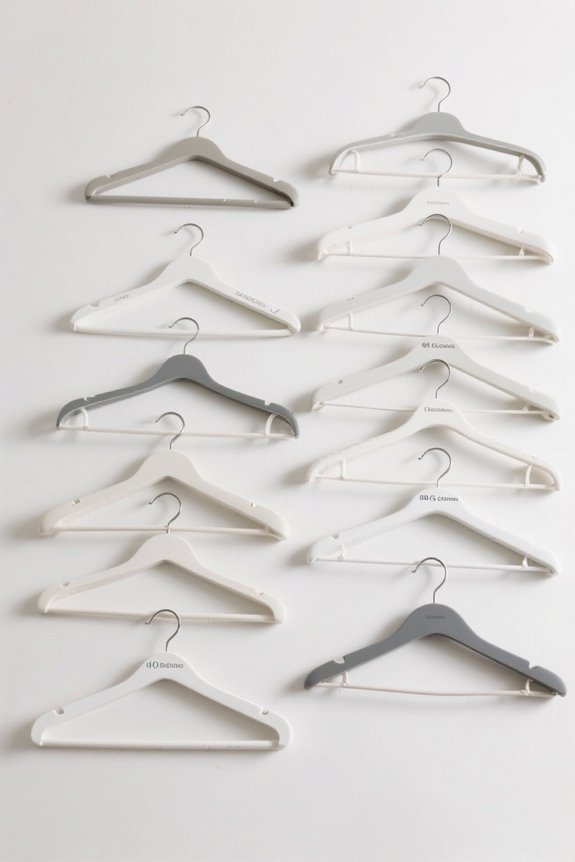

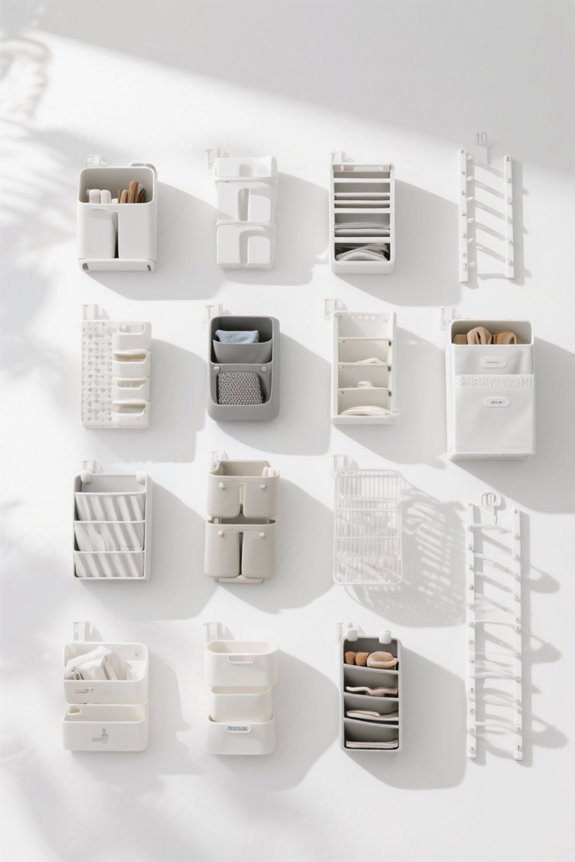
When we think about keeping our closets organized, it often helps to have a plan in place. Establishing a regular decluttering schedule is key to enjoying the decluttering benefits, like reduced stress and improved accessibility. We should aim to declutter at least once per season. This helps avoid the headache of overflowing closets.
To create effective decision-making strategies during our sessions, let’s sort items into categories like tops and shoes. We can use a “keep, donate, repair, discard” model to make choices clearer. By scheduling these regular sessions and sticking to them, we build a routine that supports lasting closet organization. Plus, we reduce the temptation to buy unnecessary items. After all, who needs five yellow sweaters? Additionally, incorporating regular maintenance of our organizing systems can further enhance the longevity and efficiency of our closet space.
Rotate Seasonal Wardrobes Effectively

After we’ve set a regular decluttering schedule, it’s time to think about how to handle our seasonal wardrobes. Rotating our clothes effectively not only keeps up with seasonal trends but also supports wardrobe longevity.
First, we should sort our items by category. This way, we can evaluate what we love and what we could donate. Before storage, let’s clean everything to prevent damage.
Using breathable containers can help maintain our garments’ freshness and prevent mildew.
Next, when we set up our closet, we should place current-season items in easy-to-reach spots.
Lastly, let’s verify we check for any damages and have repairs lined up. This way, we’ll look great and keep our wardrobes clutter-free and well-organized! Additionally, ensuring we utilize expandable closet organizers can maximize our storage space and improve organization.
Recommended Products

Premium Material: Made of high-quality non-woven fabric + clear PVC window, soft and strong for long-term storage of clothes, sweaters, bedding, and comforters – no side or bottom reinforcement for flexible use, easily foldable when empty

Premium Material : The under bed storage containers are made from high-quality, odorless, three-ply composite non-woven thick fabric, foldable and breathable, keep clothing fresh from long-term storage. NO cardboard NOR metal supports insert, arrive to you collapsed and packaged in a clear storage bag.

Reinforced Handles: The reinforced handles are sewn with 3 layers of fabric to ensure easier carrying. You can lift the storage box without worrying about it breaking when filled with heavy clothes
Implement the “One In, One Out” Rule

Implementing the “One In, One Out” Rule can feel like a game changer for our closets, especially when we consider the endless options that tempt us while shopping. This rule helps us maintain balance by removing one item whenever we add something new.
Psychological barriers can make it tough to part with our stuff, but with some incremental adjustments, we can make this easier. Before we shop, let’s mark what we’ll remove. It’s like deciding to let go of a pair of shoes we’ve only worn twice to make room for that perfect new pair.
Over time, this habit not only keeps our spaces clutter-free, but it also encourages mindful shopping. Who knew decluttering could be this rewarding? Additionally, utilizing modular designs in our closet systems can enhance organization and adaptability as our storage needs change.
Donate or Sell Unwanted Clothing
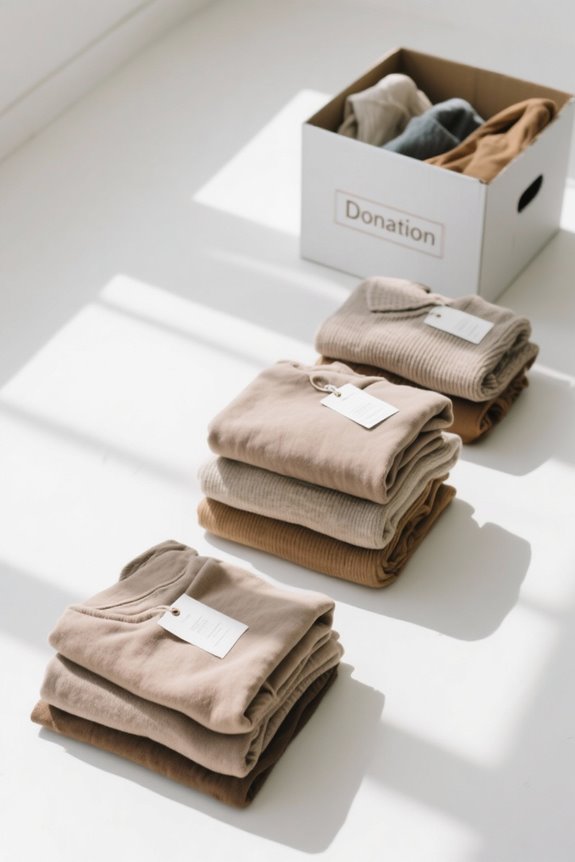
Donating or selling unwanted clothing can be a fantastic way to refresh our closets while helping others. By parting with clothes we no longer wear, we contribute to textile recycling efforts that reduce landfill waste. Did you know about 85% of used clothing in the U.S. ends up in landfills? Additionally, eco-friendly choices like donating clothing support sustainable practices that benefit the environment. Let’s support community engagement by donating to local charities or selling items online. This not only generates funds for local outreach but also provides affordable clothing options for those in need. Plus, it creates jobs!
Categorize Clothing by Type and Use

When we take the time to categorize our clothing by type and use, it can make a huge difference in how we interact with our wardrobes. Let’s consider a structured approach to clothing categorization. We can start by dividing our clothing into primary groups: Tops, Bottoms, Dresses, Outerwear, Activewear, and Accessories. Within each group, let’s further subcategorize items; for example, divide Tops into T-shirts, Blouses, and Sweaters.
Next, let’s organize by frequency of use. Daily wear should be at eye level for easy access, while seasonal items can be stored higher or in bins. This functional organization not only reduces clutter but also simplifies outfit selection. Additionally, utilizing slim hangers can help maximize closet space and keep items neatly organized. So, how do you like organizing your clothes?
Weekly Dusting and Cleaning Practices
Now that we’ve organized our clothing by type and use, it’s time to focus on maintaining that order with some regular cleaning practices. For effective dust removal, we should use microfiber tools, as they trap dust instead of spreading it around.
Here are some quick tips to keep our closets clean:
- Dust all surfaces weekly, including shelves and rods.
- Don’t forget to clean closet doors and trim—dust loves to hide there!
- Regularly vacuum carpeted areas and any fabric storage—we want to keep that dirt at bay!
- Shake out or wash fabric bins as needed.
- Consider using transparent drawer organizers to help keep smaller items visible and accessible while maintaining cleanliness.
Maintain Closet Hardware and Structure
Maintaining closet hardware and structure is just as important as keeping our clothes organized. Regular cleaning is a must! We can use a damp cloth with mild soap to wipe down hardware, avoiding harsh chemicals that can cause damage. Don’t forget to dry everything thoroughly afterward to prevent rust!
For smooth operation, let’s consider hardware lubrication tips—applying oil to hinges and drawer slides makes a world of difference. It’s essential to inspect shelves and rods for wear; tightening loose screws keeps the structure stable. If we notice misaligned parts, we should fix them quickly. Also, using joint reinforcement techniques, like wood glue, strengthens connections. Additionally, adjustable shelving options allow for customization based on changing storage needs. By following these simple steps, we can keep our closet systems robust and reliable!
Recommended Products

Complete Range of Folding Door Hardware Repair Kit Parts: 2-Pack Bifold door hardware kit includes 2 top metal pivots, 2 top plastic pivots, 2 bottom pivots, 2 x 7/8" plastic guide wheels, 2 bottom pivot brackets, 2 top pivot brackets, 6 mounting fasteners, and 1 installation manual. Closet door hardware kits can quickly and easily repair doors weighing up to 50 lbs. and with thicknesses ranging from 1" to 1-3/8", suitable for 7/8"-1" wide track. (Please note: Track and hinges are not included.)

Make Repairs Easier: Stop worrying about broken folding door hardware! CRANACH bi-folding door repair parts have correctly classified the hardware problems of the entire bi-folding door, providing a variety of parts in standard sizes, safe materials, and durability. Detailed installation instructions are included with each package, which is easy to operate and replace parts. Bi-fold barn door hardware set saves money and gives you a sense of accomplishment in repairing doors or furniture.

【Package Include】top bracket *2, bottom bracket *2, top guide wheel *2, top plastic pivot *2, bottom pivot *2, spring metal pivot pin *2, screws. Suit for 7/8" to 1" wide door track
Optimize Storage Solutions and Organization Systems
Optimizing storage solutions and organization systems can transform a chaotic closet into a well-ordered sanctuary for our belongings. One way to achieve this is by using smart shelving to make the most of vertical space. We can also utilize corner organization techniques, like carousel units, to turn those tricky corners into valuable storage spots.
Let’s designate zones for different clothing types, which makes finding our favorite outfit a breeze. Drawer systems can keep folded items neat and out of sight, while stackable containers maximize our storage efficiency. Plus, installing proper lighting helps us see everything clearly. By incorporating these methods, our closets can remain functional, stylish, and clutter-free, making it easier to find what we love! Additionally, selecting systems with customizable layouts can further enhance our storage capabilities and adapt to changing needs.
Recommended Products
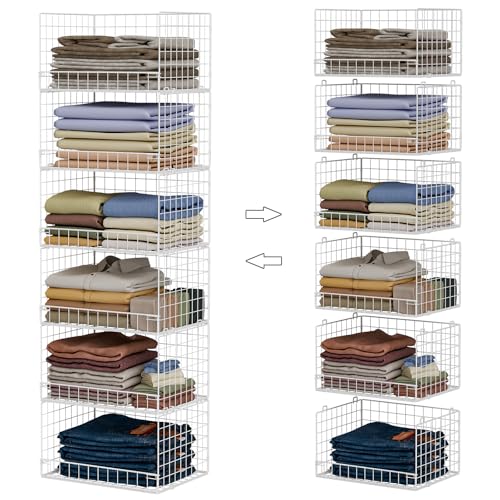
Upgraded Wide Mouth Design】15.7"x11.8"x8.7"(L x D x H) in single size,these clothing organizers are suitable for most size of clothing especially big clothes, pants and jeans.Due to the appropriate depth, the basket will not protrude when placed in the wardrobe. Note: Ensure the product size fits your Closet.

Large Storage System: Each cube size is 11.8"x11.8"x11.8", 6 cube shelves units provide enough space to store books, clothes, toys, shoes, bags, purse, potted plants, files, yarn, artworks, etc. It is a multi-purpose room storage organization to store your daily items
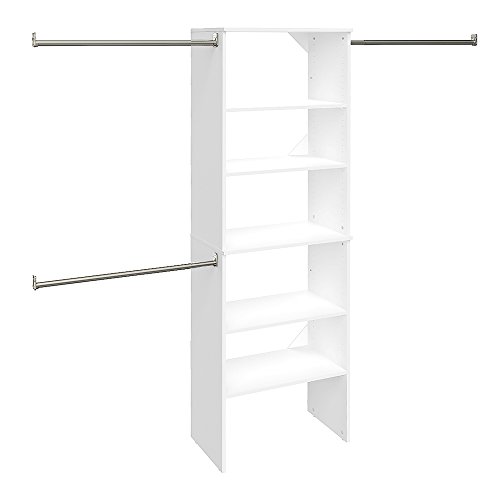
ALL-IN-ONE CLOSET ORGANIZER: Wood closet organizer system kit includes tower, (3) expandable rods, (5) interior closet shelving (2 shelves are adjustable)
Daily Maintenance Habits for Clutter Control
When it comes to keeping our closets tidy, daily maintenance habits can make all the difference. A quick tidy every morning can set the tone for the day, helping us with clutter prevention and wardrobe efficiency. We should all aim to return items to their designated spots immediately—this simple act supports garment care and prevents messes from building up.
Incorporating folding strategies into our daily routines keeps our clothes looking sharp, while cleaning consistency minimizes dust and dirt. Let’s take a minute to reorganize shoes or clear out anything that doesn’t belong. These little habits not only save us time later but also support a more organized, stress-free environment. Additionally, utilizing adjustable features in closet organizers can further enhance the efficiency of your space. So, who’s in for a quick tidy?
Protect Closet Materials and Finishes
To keep our closet systems looking great and lasting longer, we need to protect the materials and finishes from moisture and wear. Choosing moisture-resistant materials, like high-pressure laminate or metal components, helps minimize moisture absorption. Wood, while beautiful, can warp or mold in humid conditions.
Integrating air circulation features, like louvered doors or vents, is essential for reducing stagnant air that encourages mold. Regularly applying protective finishes, like anti-fungal sealants, is another smart move. Inspect your finishes for chips or wear and reapply as needed. Finally, consider using breathable storage options to keep fabrics safe from moisture. Additionally, using breatheable storage options for fabrics can help maintain their integrity and prevent damage over time. With these simple steps, we can extend the life of our closet systems and keep everything looking fresh!
Recommended Products
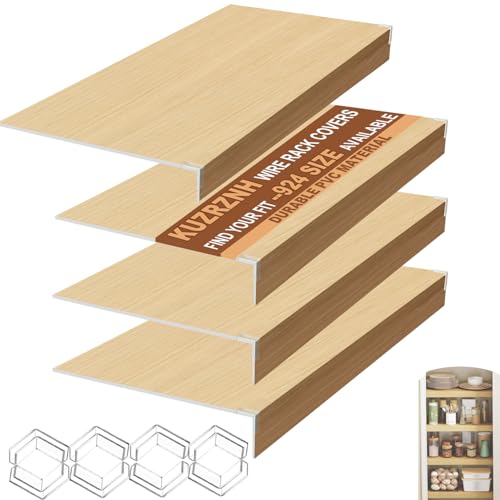
【ENHANCE DECORATIVE STYLE】 - Practical and stylish! These wire shelf covers transform a cluttered storage space into a neat and beautiful space. Available in a variety of shades, they complement any decor and are ideal for closets, garages, or shops. Transform industrial wire shelving into rustic-chic bookshelves, shoe cabinets or display cases. Add warmth to pantries, bathrooms and closets.
【ENHANCE DECORATIVE STYLE】 - Practical and stylish! These wire shelf covers transform a cluttered storage space into a neat and beautiful space. Available in a variety of shades, they complement any decor and are ideal for closets, garages, or shops. Transform industrial wire shelving into rustic-chic bookshelves, shoe cabinets or display cases. Add warmth to pantries, bathrooms and closets.

Non Adhesive Shelf Liner:With its minimalist allure, the white shelf liner effortlessly declutters and organizes your space, allowing your belongings to take center stage, while shelf liner itself remains a subtle yet impactful backdrop.The PVC-based material of shelf liner is not only extra durable but also safe to use as it won't rip or tear
Monitor Closet Environment Conditions
Monitoring the environment in our closets is essential for keeping everything in tip-top shape, especially when it comes to temperature and humidity control. We need to keep our closet temperatures between 18-27°C (64-80°F) for peak performance. Installing thermal sensors can prevent overheating and notify us of temperature spikes immediately.
For humidity control, we should aim for 40-60% relative humidity. This range protects our electronics from corrosion and static discharge. Using humidity sensors helps detect excess moisture that could cause damage.
Let’s not forget airflow. Adequate airflow prevents hotspots and guarantees our equipment lasts longer. By keeping an eye on both temperature and humidity, we can maintain an efficient and safe closet environment, avoiding any nasty surprises!
Recommended Products

Smart App Control: Easily monitor temperature and humidity in real-time on the app. 262ft connecting distance (no obstacles) allows you to quickly get data remotely from anywhere in your home. (Not WiFi Version)

【2-in-1 Temperature and Humidity Meter】: The TeqyAqs mini digital temperature humidity meters gauge with built-in probe, electronic thermometer and hygrometer for measuring temperature and humidity for indoor use

Maintain the Right Room Temperature and Humidity Levels: This wireless indoor thermometer/hygrometer combination is perfect to pair with humidifiers or dehumidifiers
Adapt Organization Systems to Changing Needs
Closets aren’t just storage spaces; they reflect our lives and changing needs. As clothing trends shift and our lifestyles evolve, it’s crucial to adapt our closet organization systems. For instance, in 2026, many of us will benefit from modular systems that adjust easily as our wardrobes grow.
- Consider investing in adjustable shelves, drawer inserts, or hanging rods.
- Don’t forget to incorporate tech features like inventory management for those fabulous new outfits!
With urban living spaces shrinking, having versatile storage solutions is more important than ever. By embracing customizable designs, we can guarantee our closets remain functional and stylish. Let’s keep our closets in sync with our ever-changing lives!
Frequently Asked Questions
How Can I Refresh My Closet Organization After a Significant Lifestyle Change?
Did you know that 80% of our wardrobe goes unworn? To refresh our closet organization during a wardrobe shift, we should make seasonal adjustments, ensuring items match our current lifestyle and needs effectively.
What Types of Bins Are Best for Long-Term Storage?
For long-term storage, we recommend using plastic containers with airtight lids for moisture protection and fabric bins for delicate items. Both options keep our clothes safe while maximizing space and ensuring freshness over time.
How to Handle Sentimental Clothing I Can’T Let Go Of?
We can’t let go of those unforgettable pieces! Let’s explore creative storage solutions—craft beautifully designed boxes or transform garments into keepsakes. This way, we’ll treasure memories while keeping our spaces clutter-free and organized.
Are There Specific Cleaning Tools Recommended for Fragile Closet Items?
For fragile closet items, we recommend soft cloths for gentle dusting and gentle cleaners like mild, pH-neutral solutions. Using these tools helps us preserve delicate materials while ensuring they remain in pristine condition for years.
How Often Should I Check for Pests or Mold in My Closet?
We should check for pests and mold every 3 to 4 months, combining pest prevention and mold detection efforts. Staying vigilant helps us guarantee our closets remain a safe haven for our belongings, not a breeding ground.